Lime Tower
Residential project - Architecture, Design and CGI
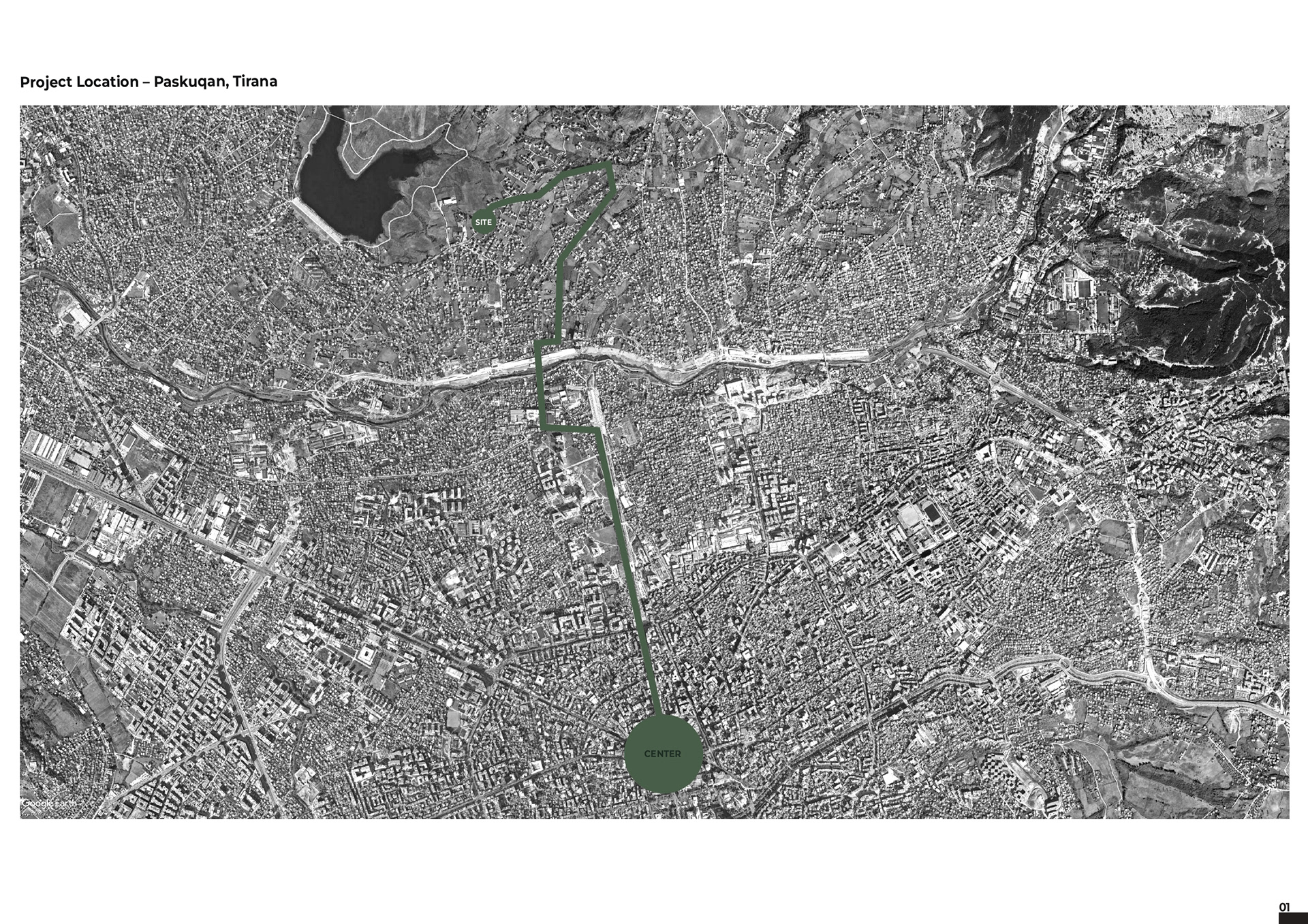
The project is located within a privileged natural setting, in an area characterized by the presence of extensive green spaces and a strong relationship with the surrounding landscape. In recent years, this sector has undergone a process of gradual consolidation, where residential developments increasingly seek to balance urban growth with environmental quality. In this context, the proposal emerges as an opportunity to redefine the relationship between collective housing and nature, promoting a more sustainable and integrated model of living.
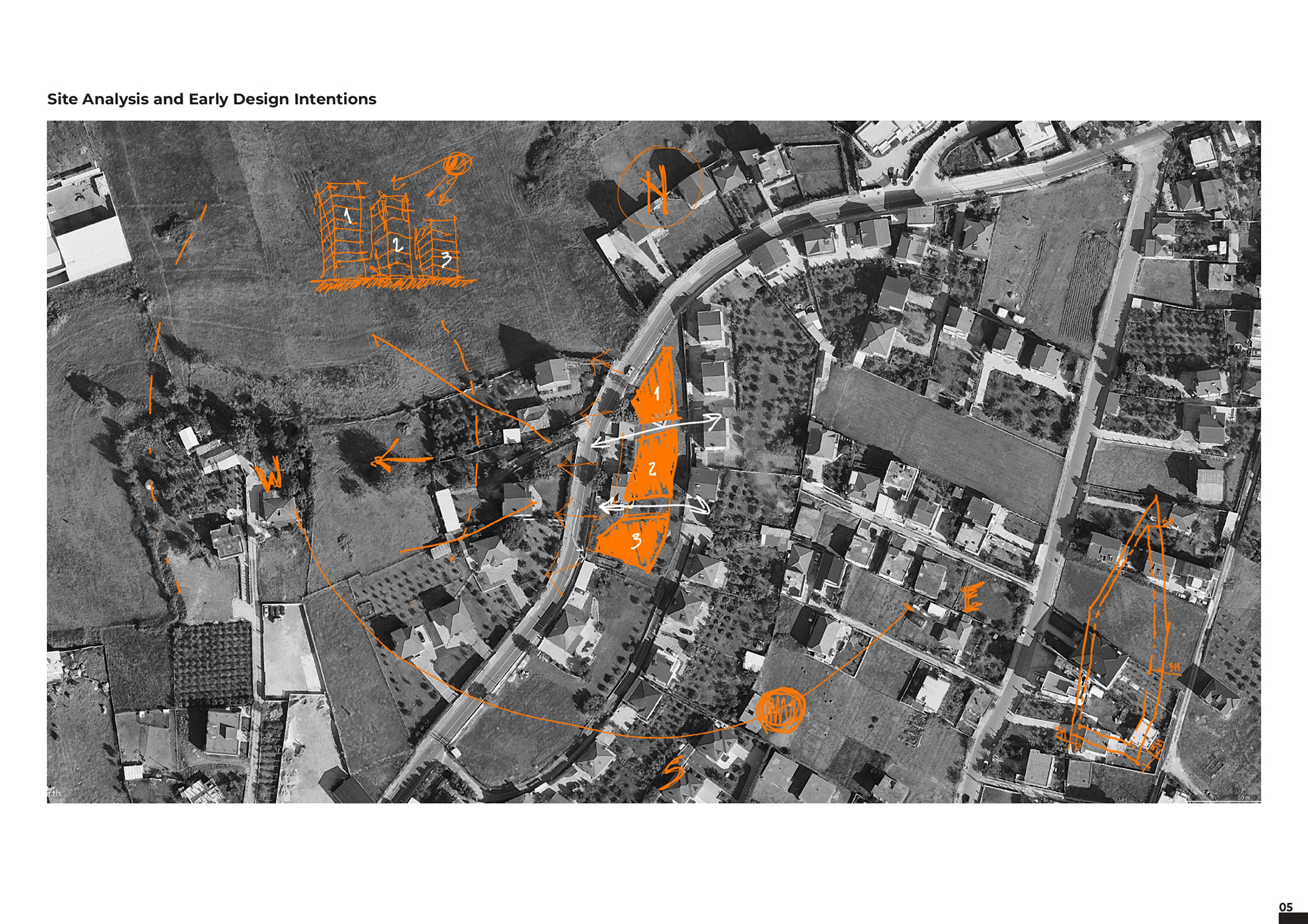
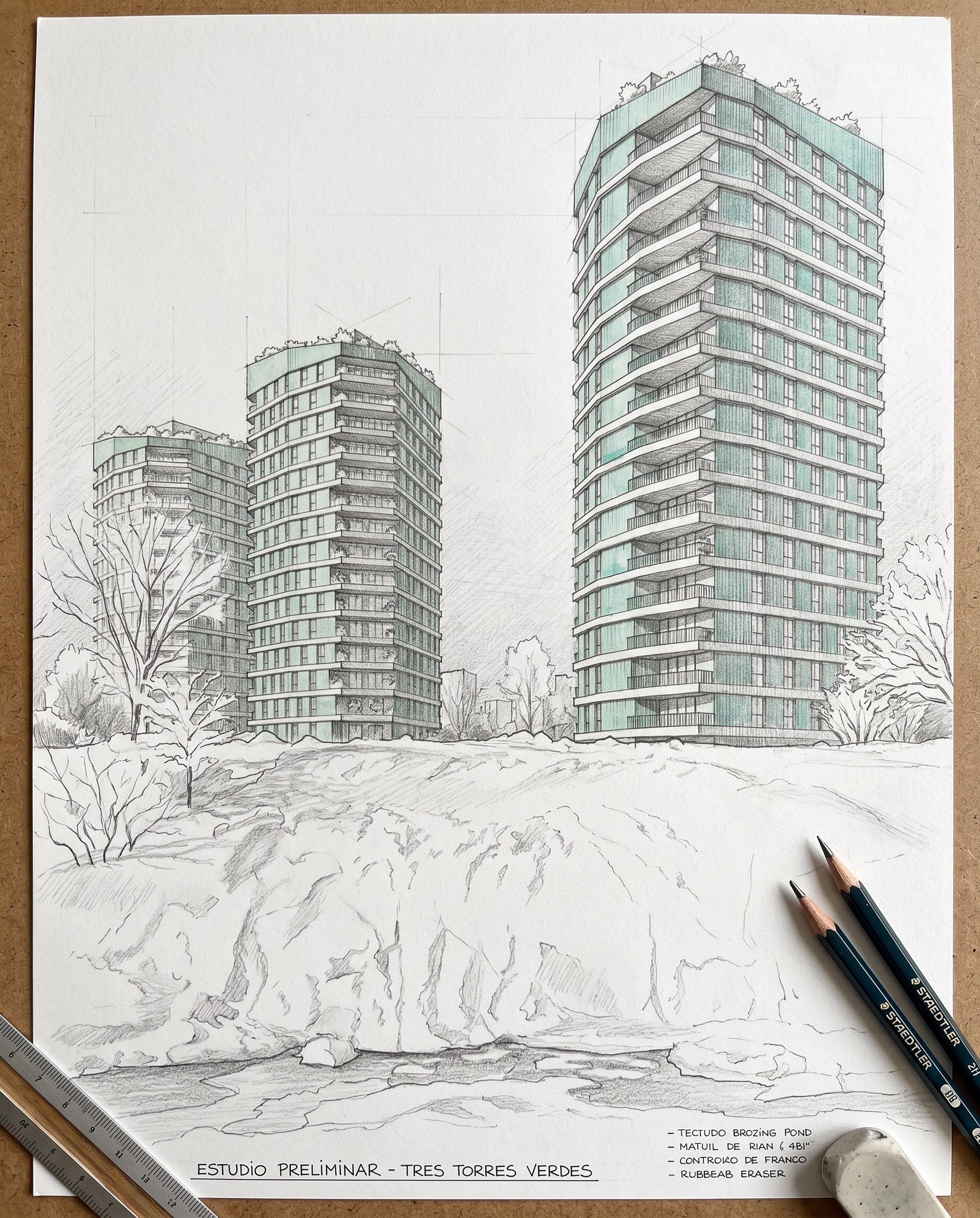
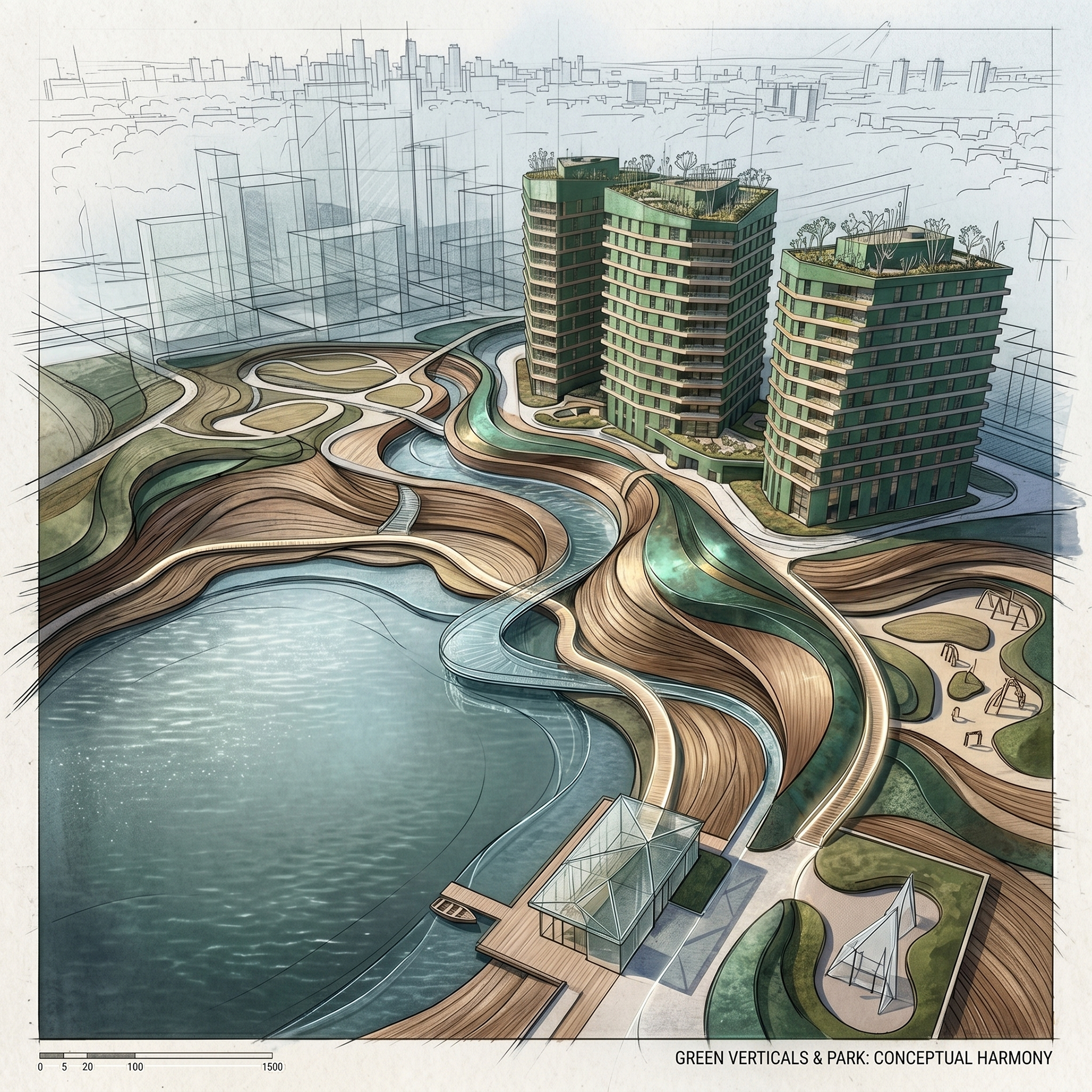
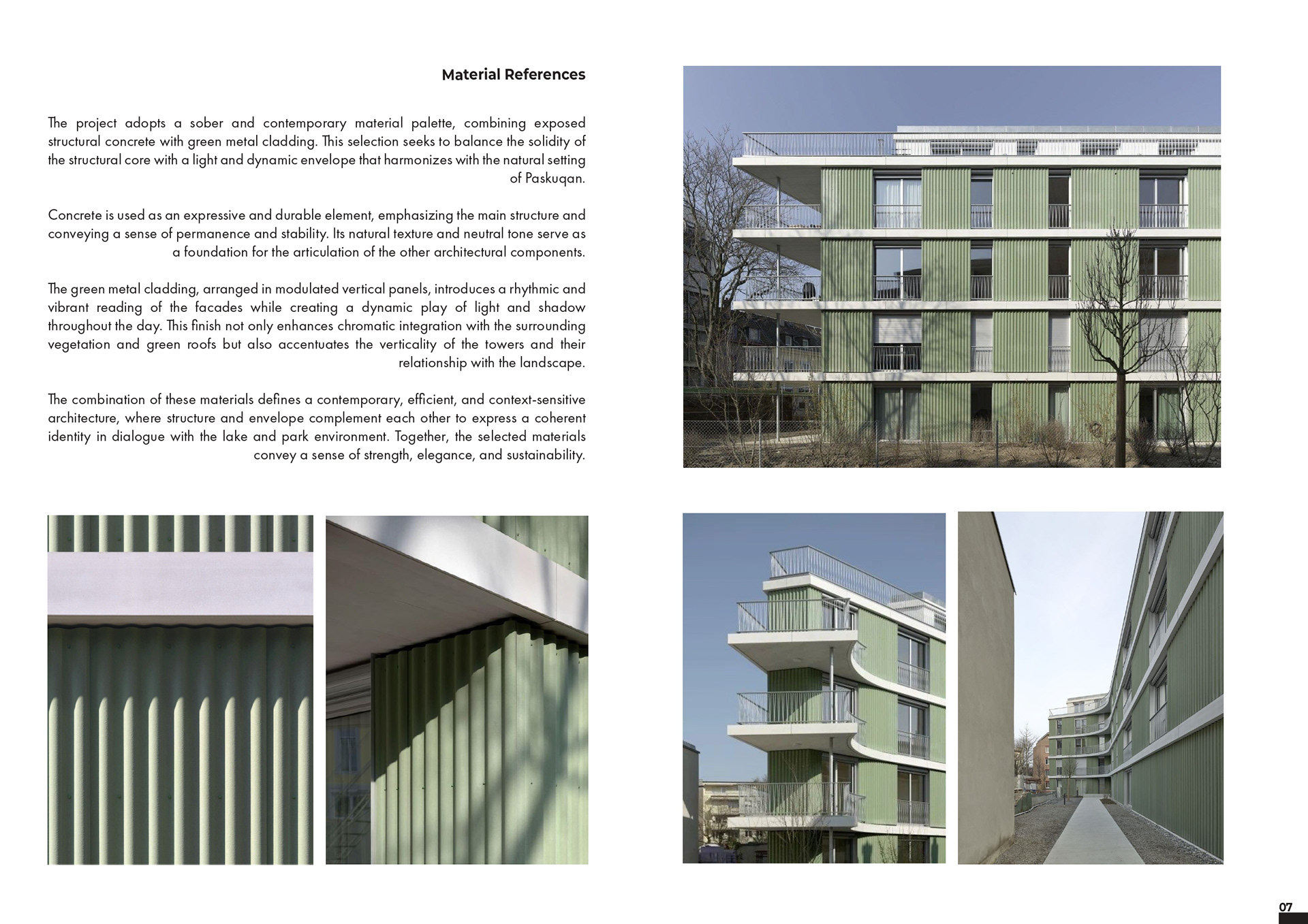
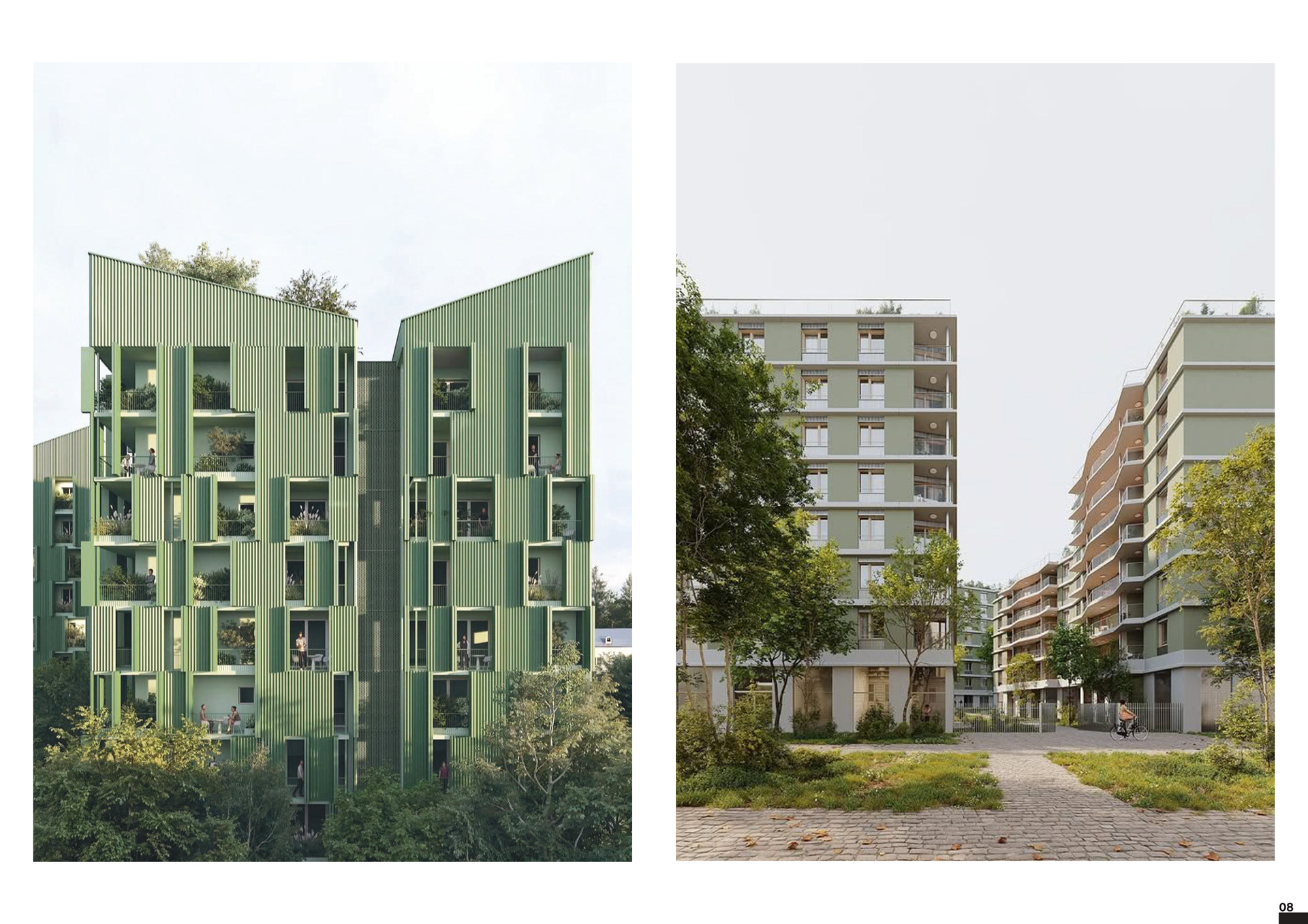
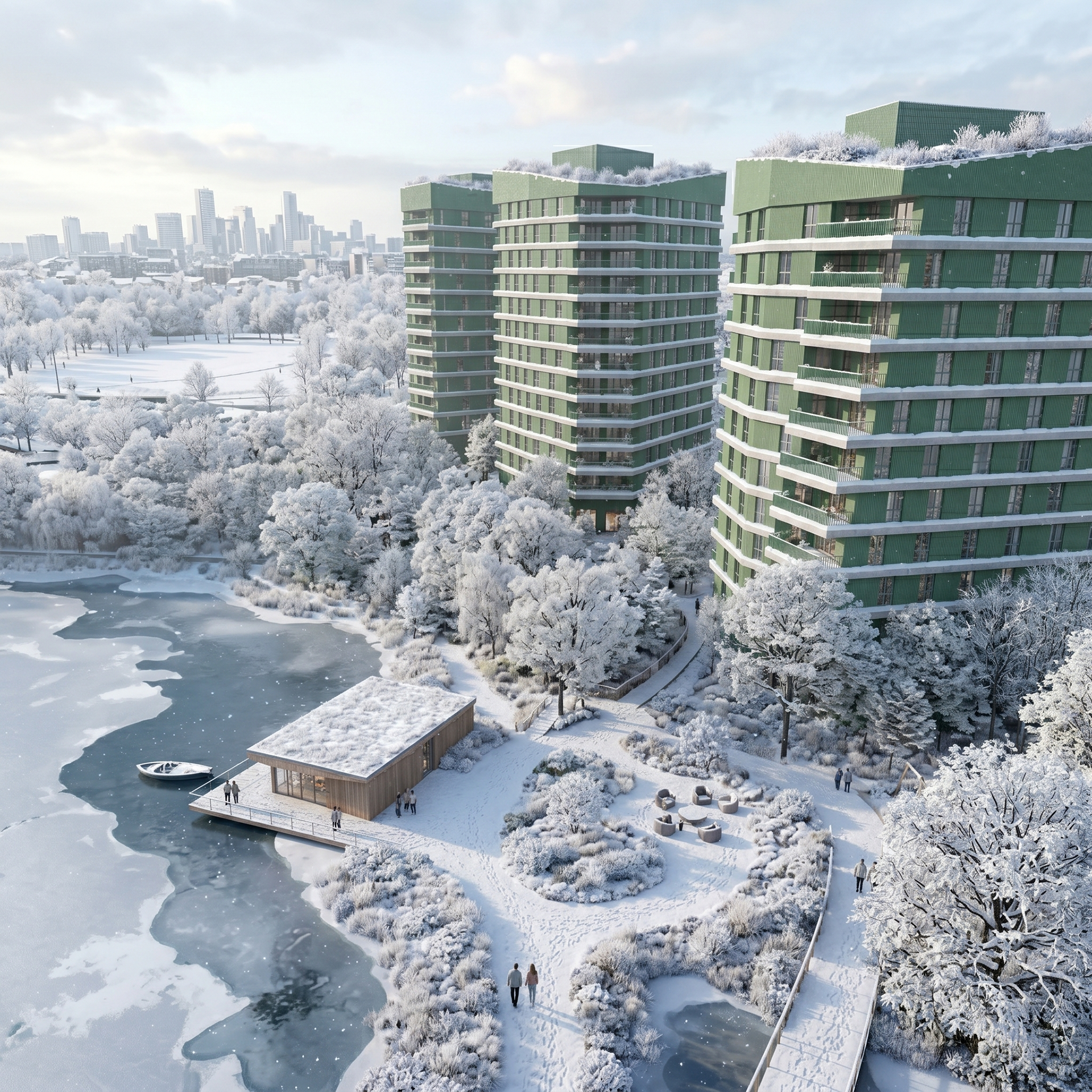
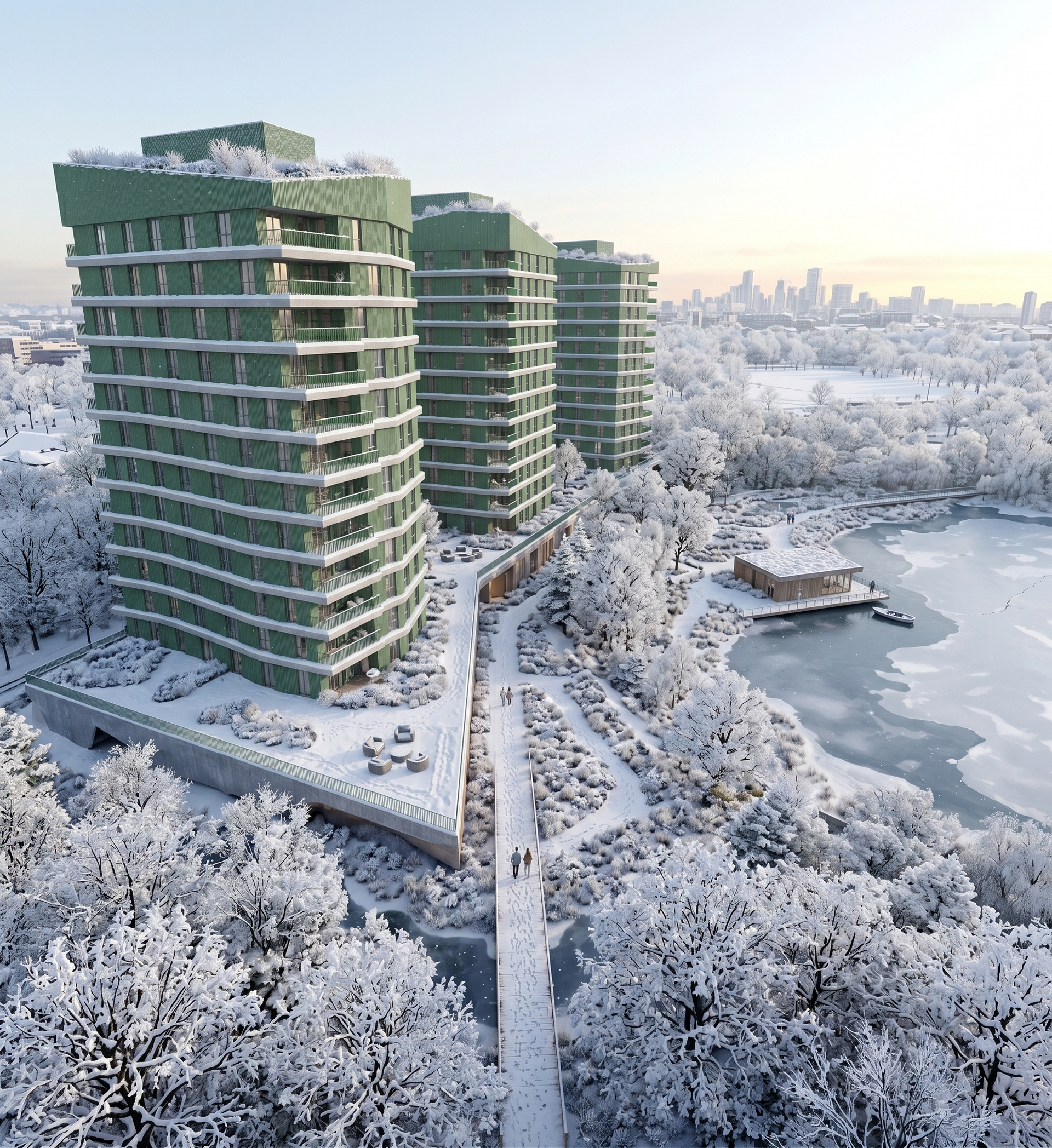
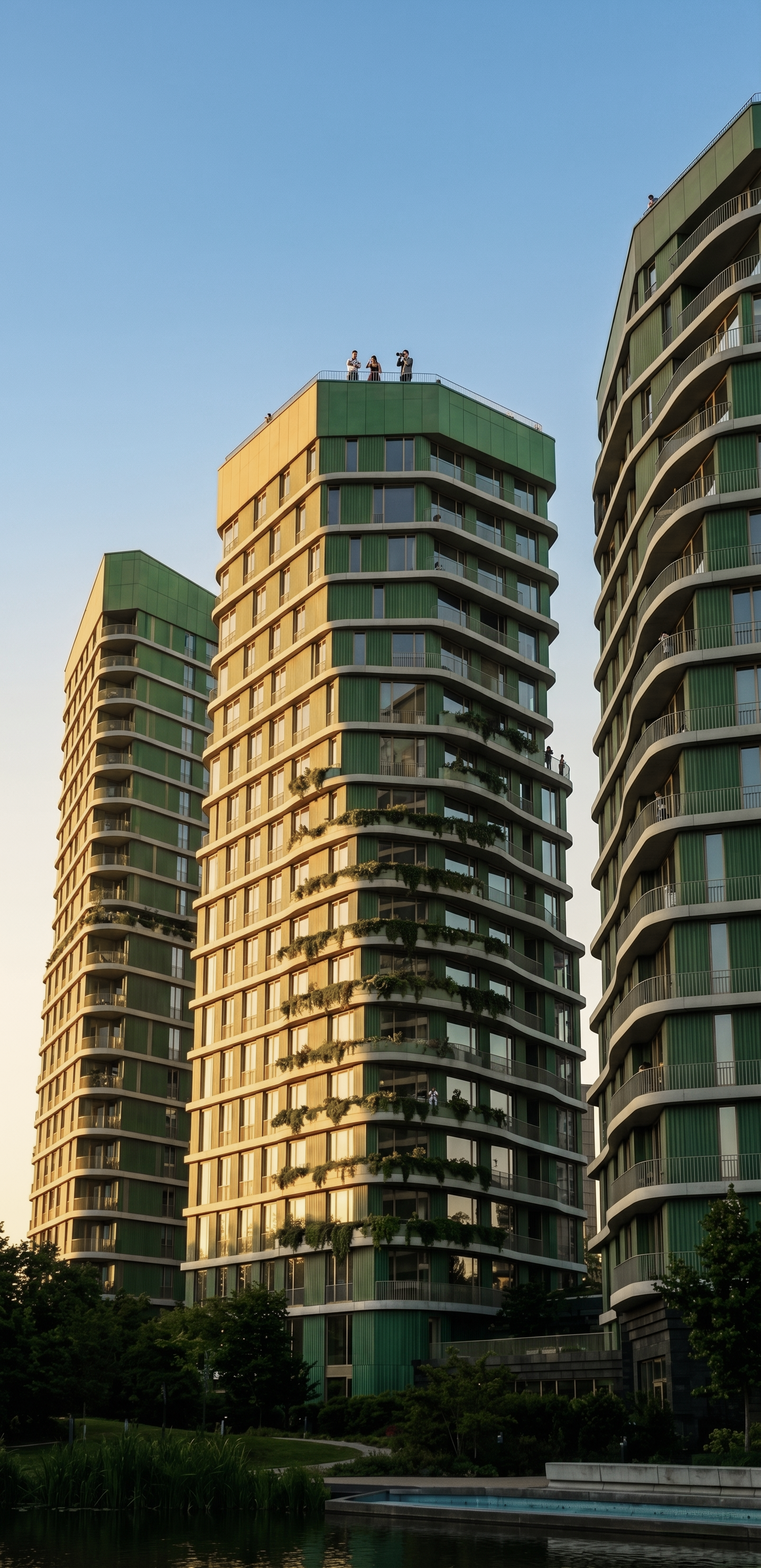
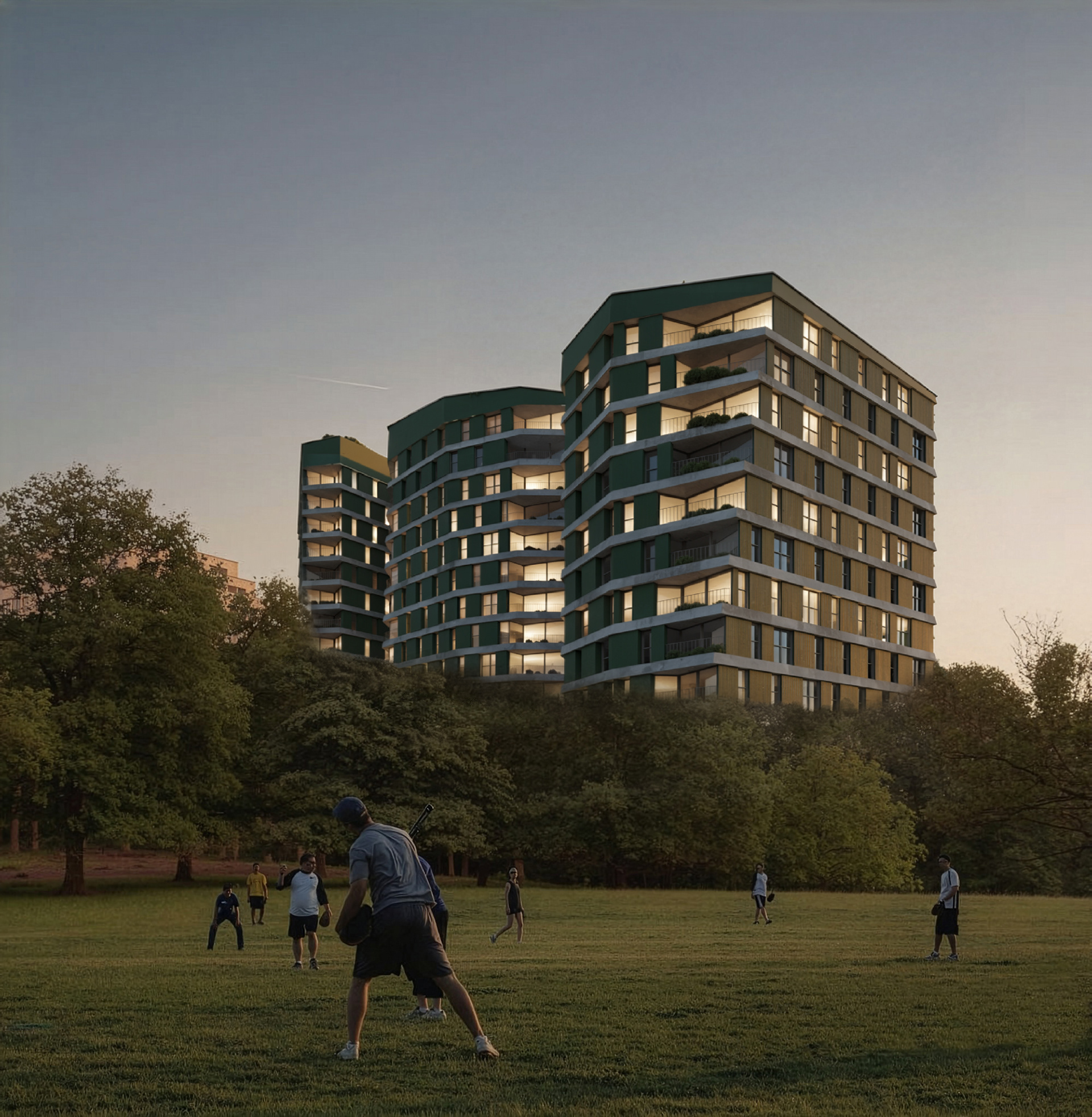
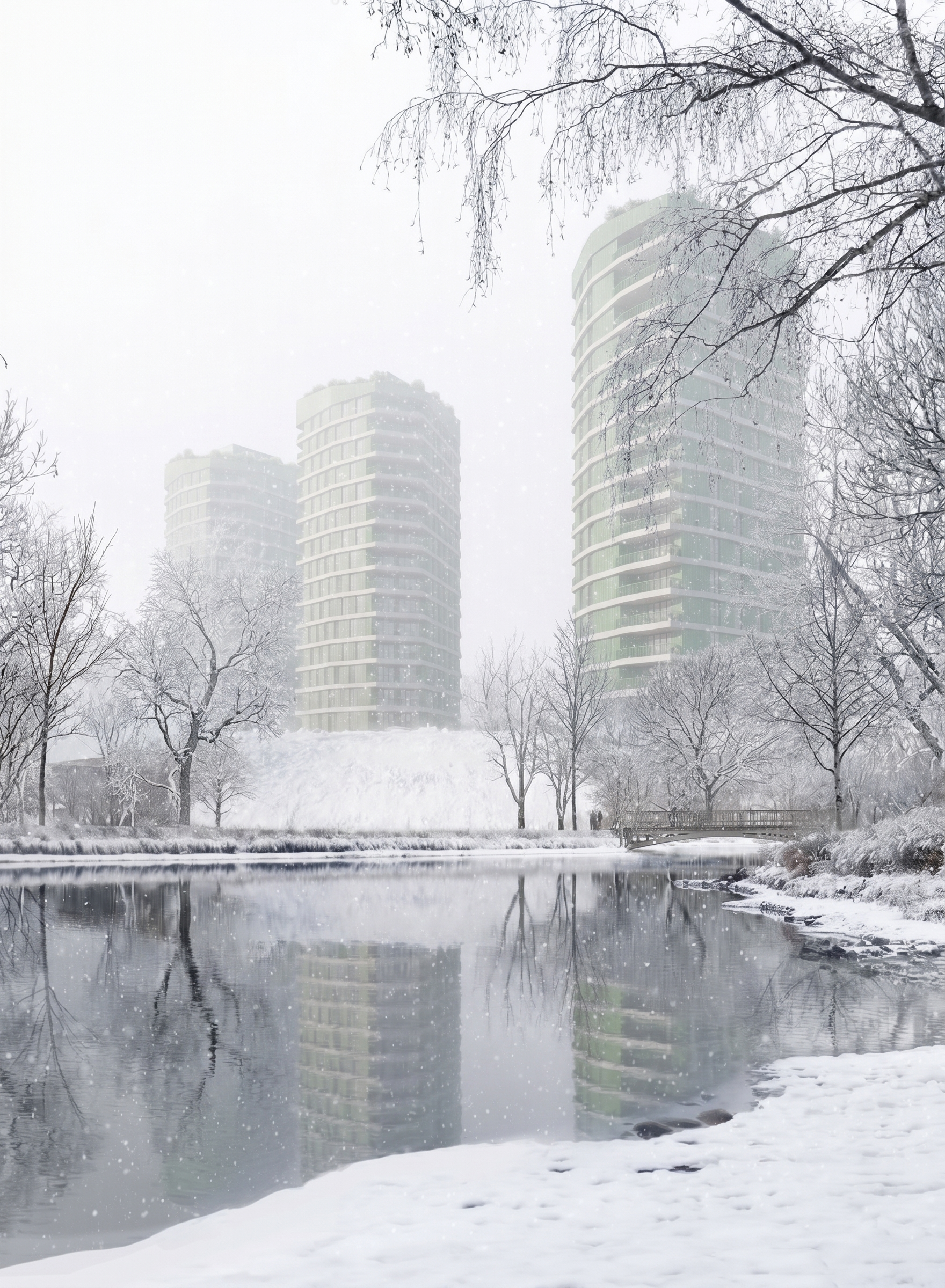
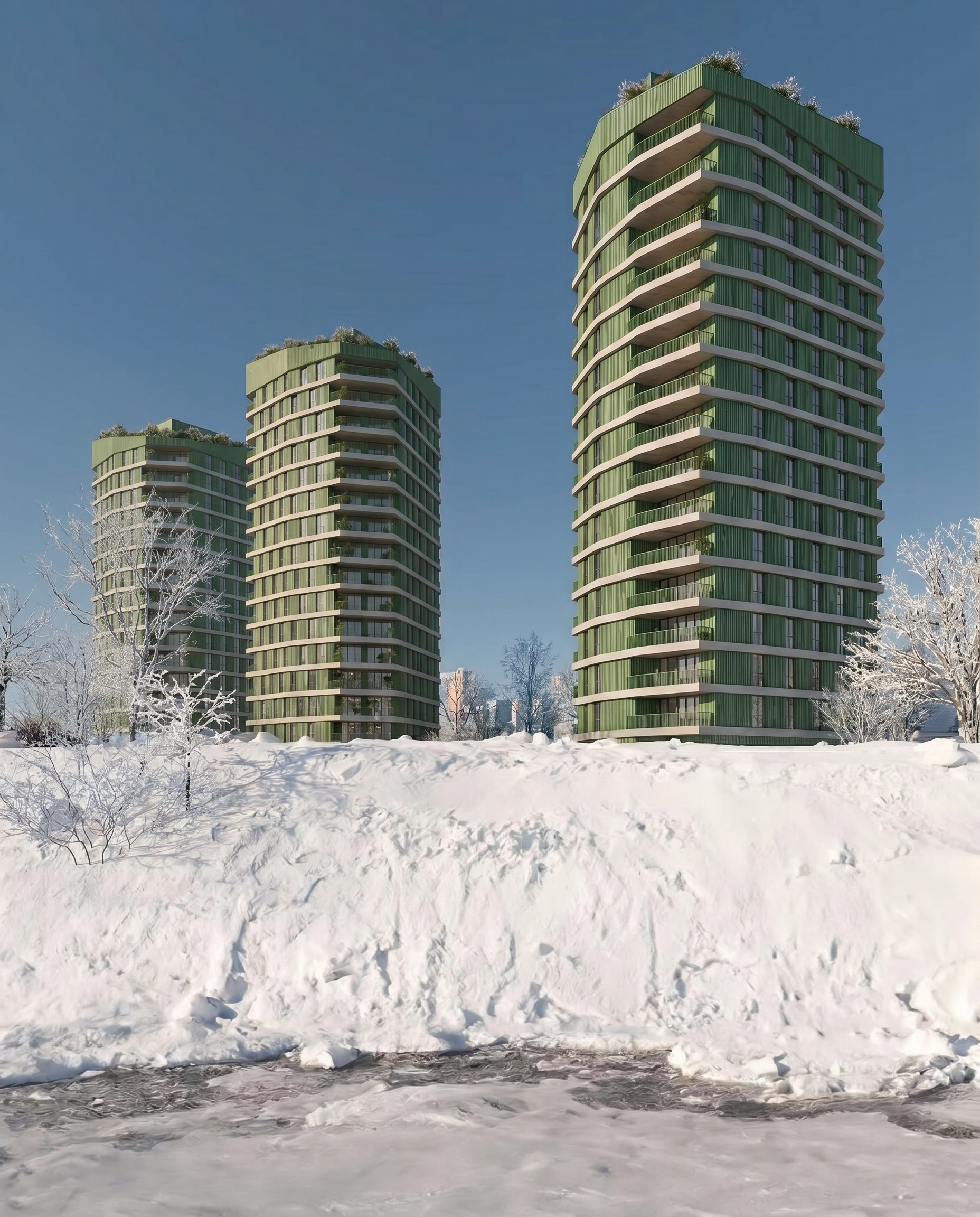
The project is conceived as a contemporary residential complex composed of three mid-rise towers, carefully arranged to maximize openness, views, and environmental performance. Rather than functioning as isolated objects, the buildings are positioned as part of a cohesive system, where architecture and landscape operate as a unified whole.
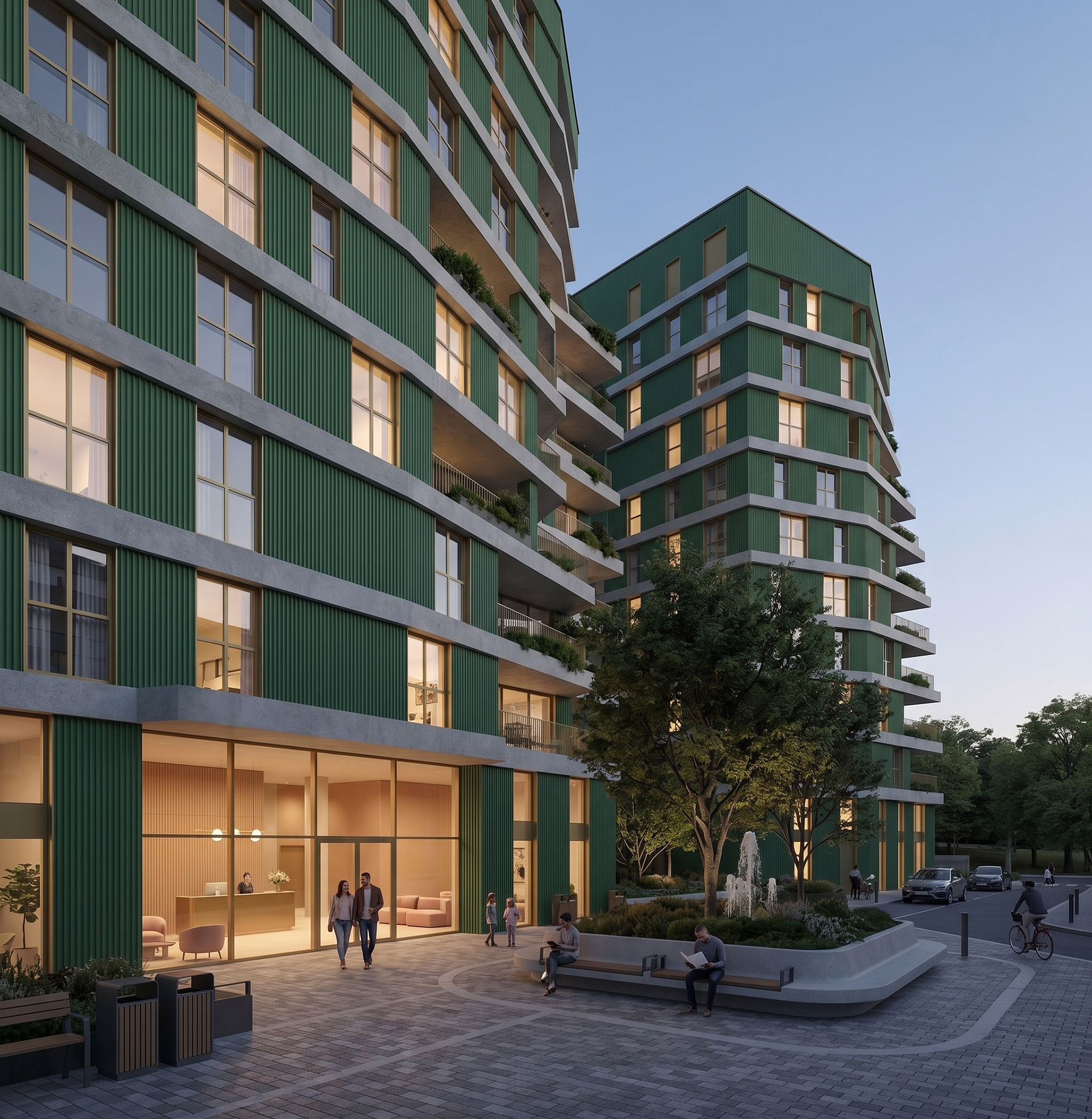
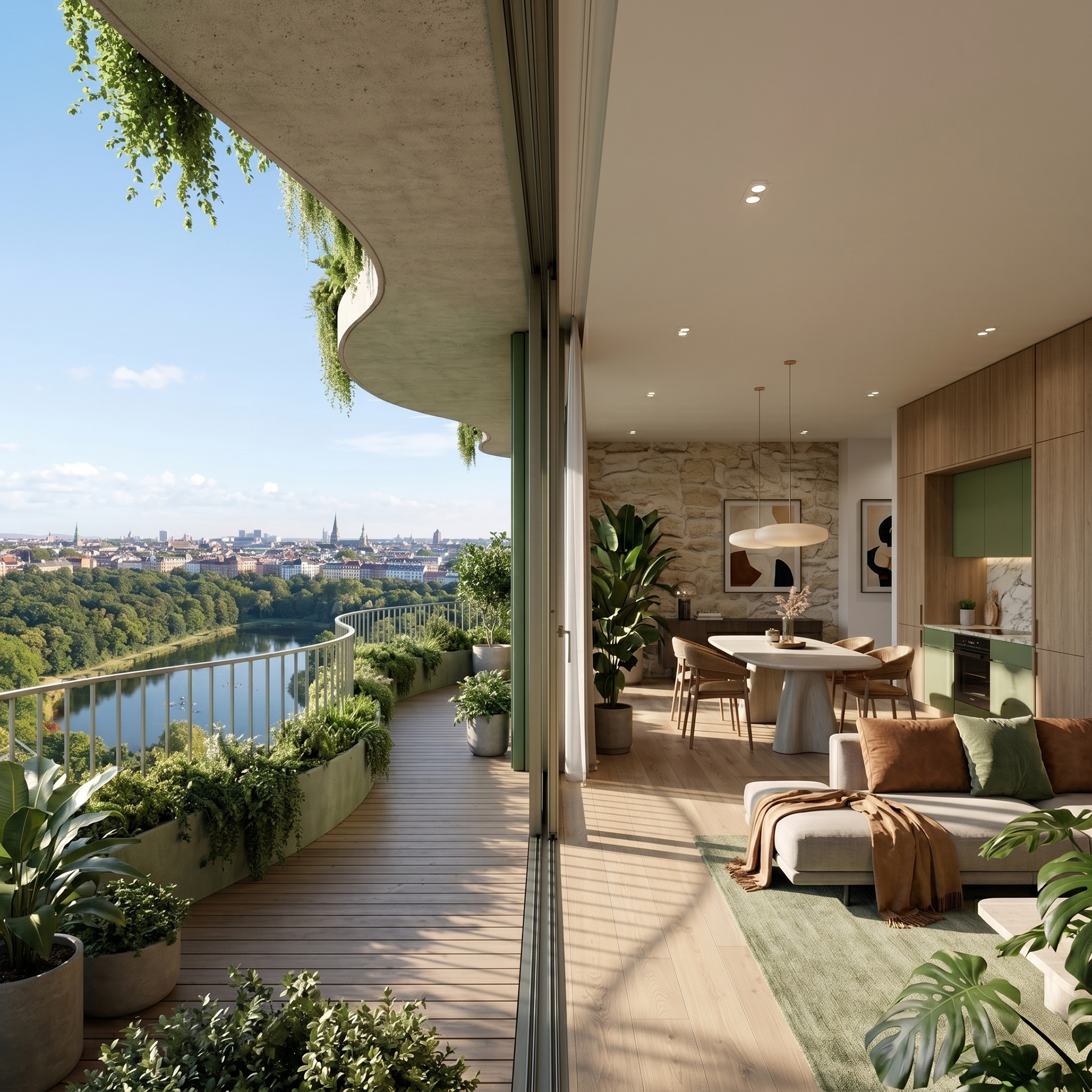
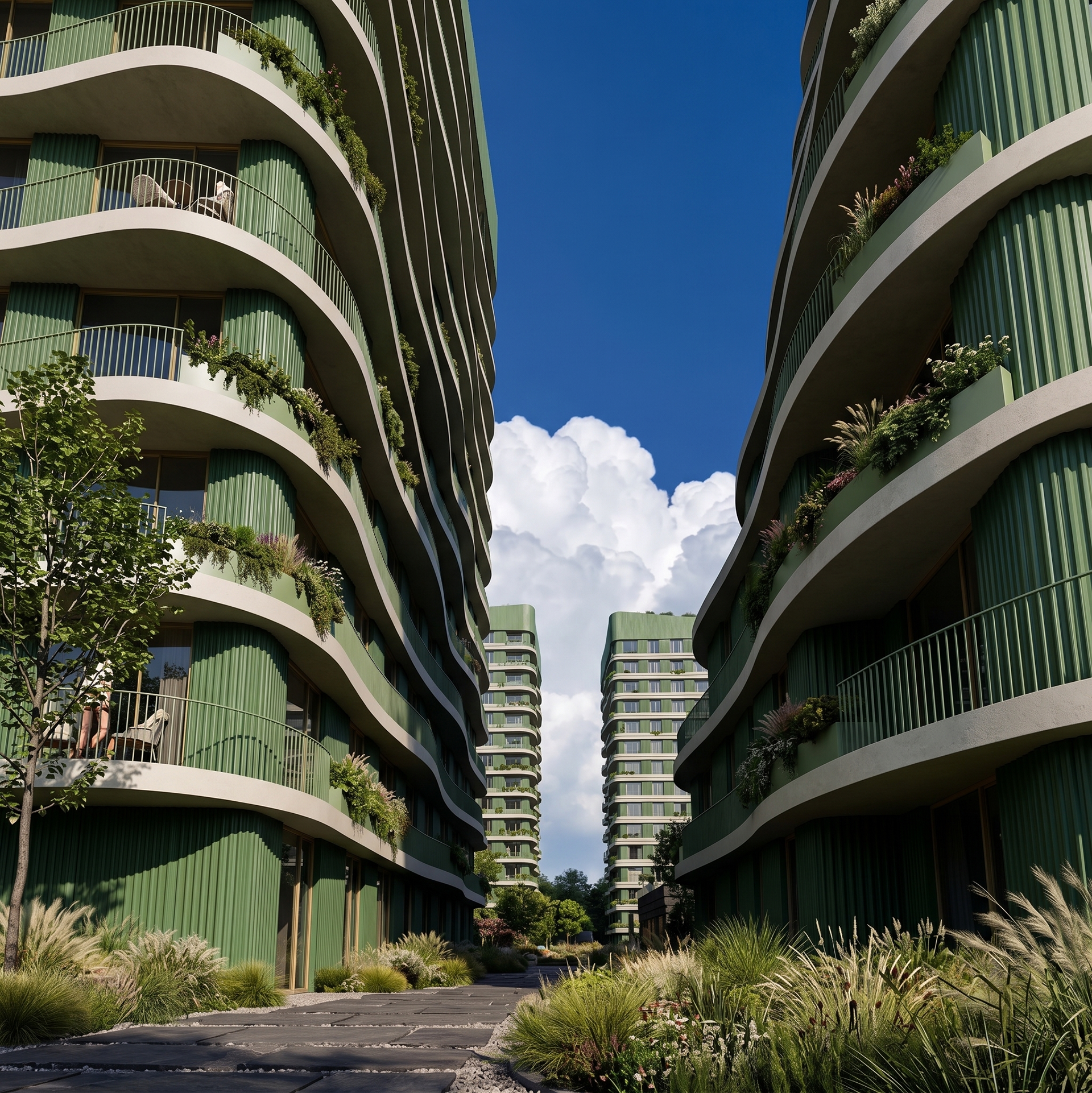
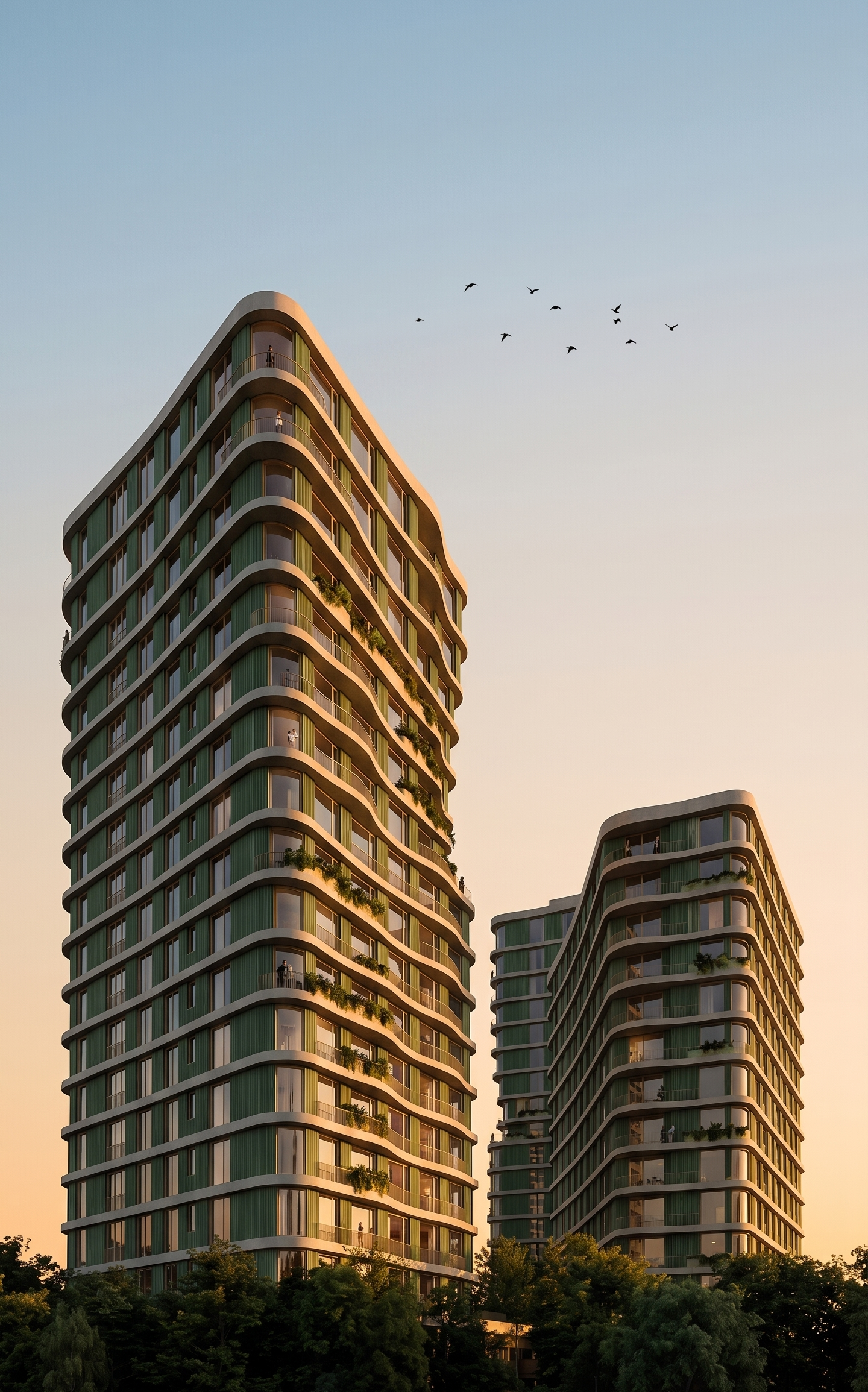
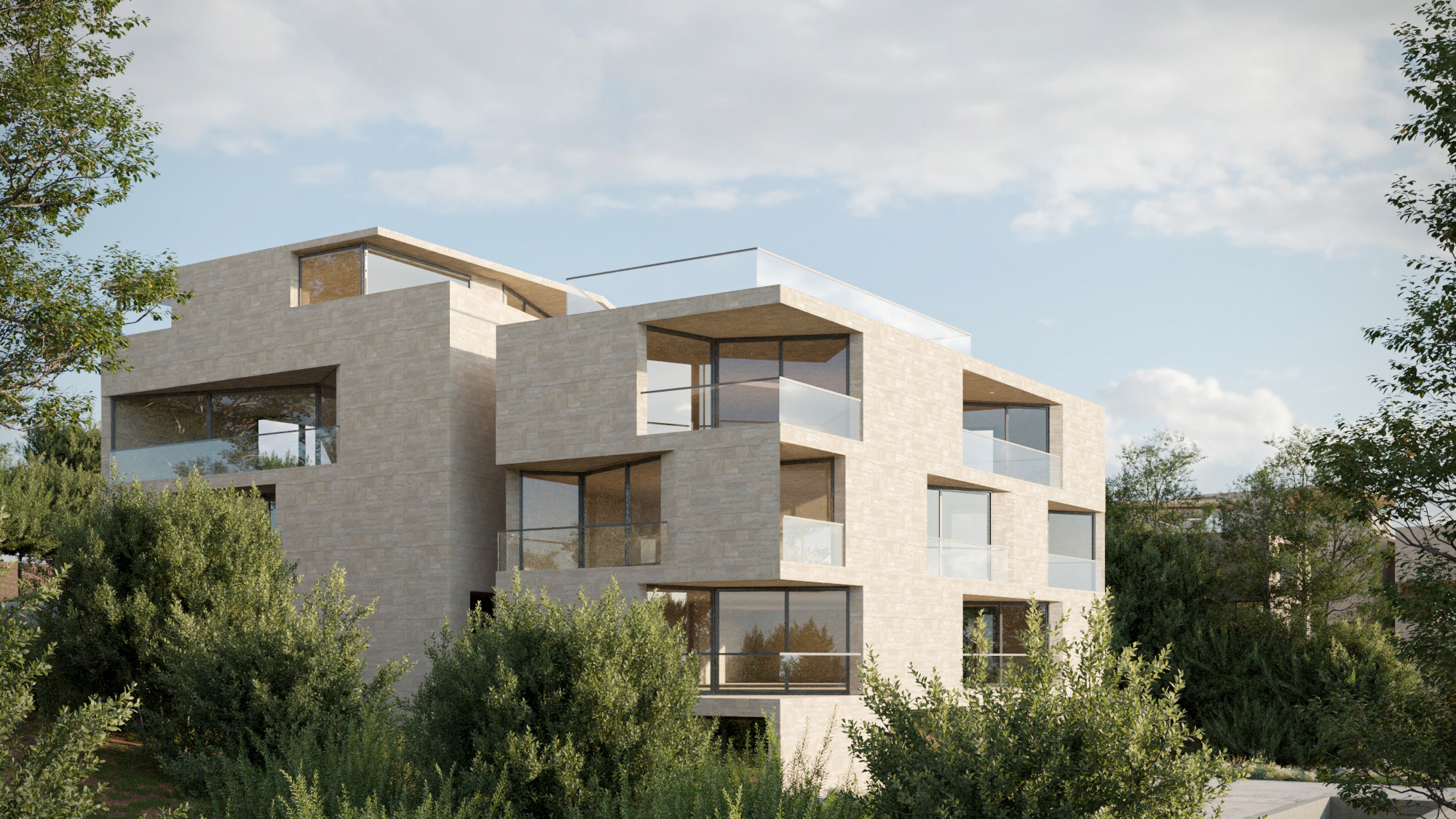
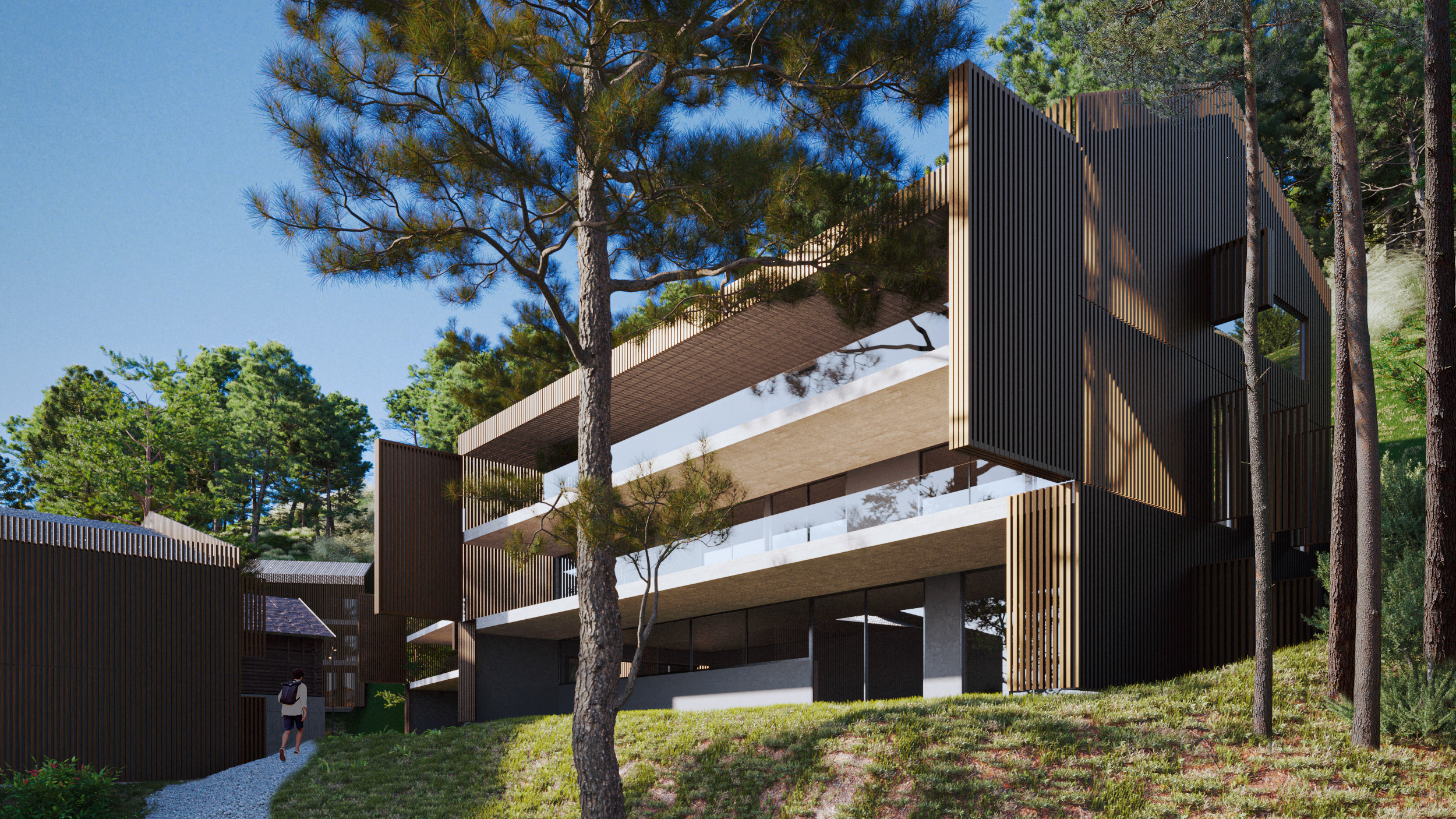
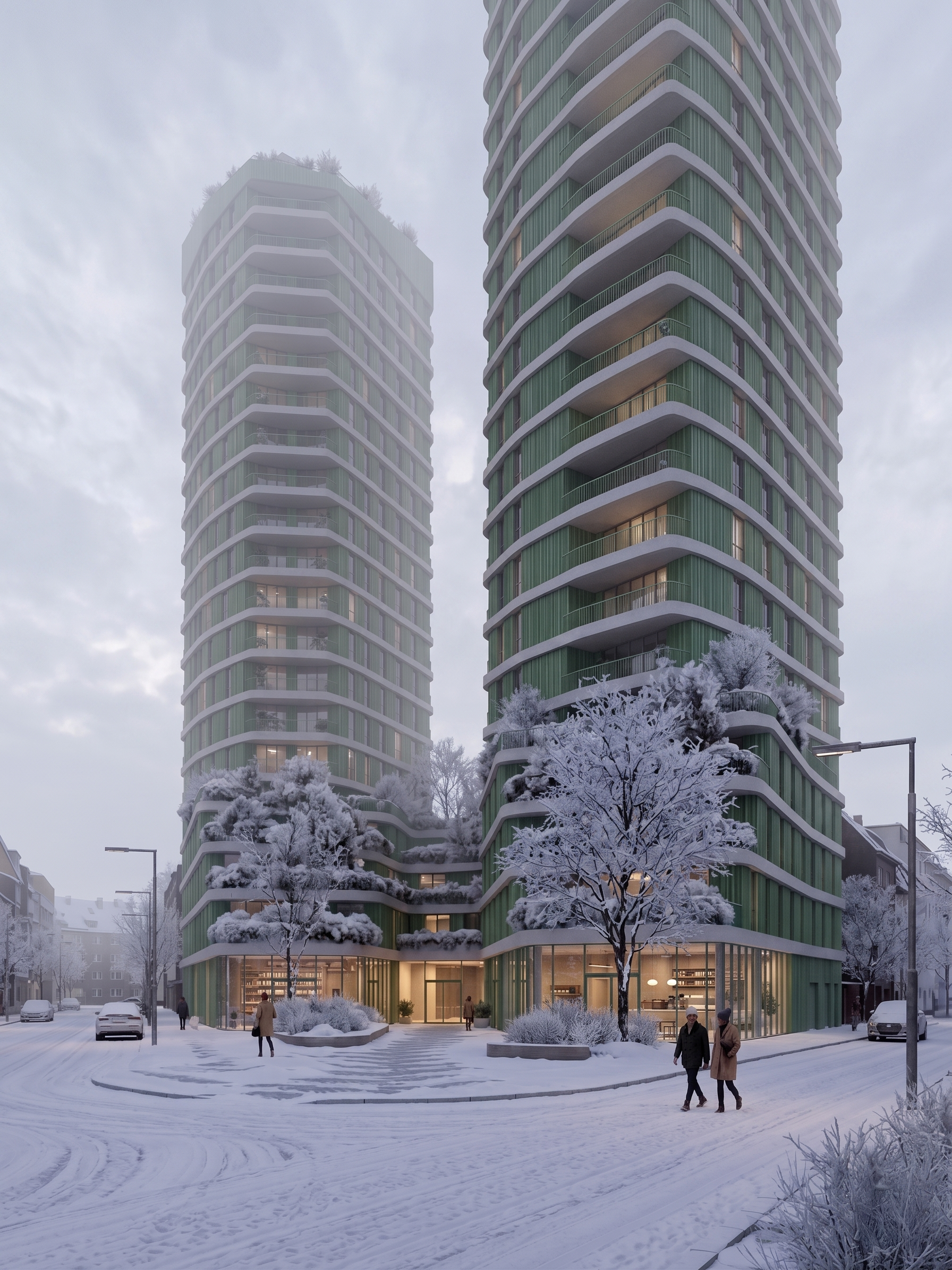
Each tower adopts a slender vertical morphology defined by clean lines and a rational structural logic. The volumetric configuration emphasizes verticality while maintaining a controlled scale that is compatible with the natural surroundings. Perimeter balconies wrap the facades, creating a continuous interface between interior and exterior spaces. This strategy not only enhances the quality of the housing units but also contributes to the overall articulation of the building mass.
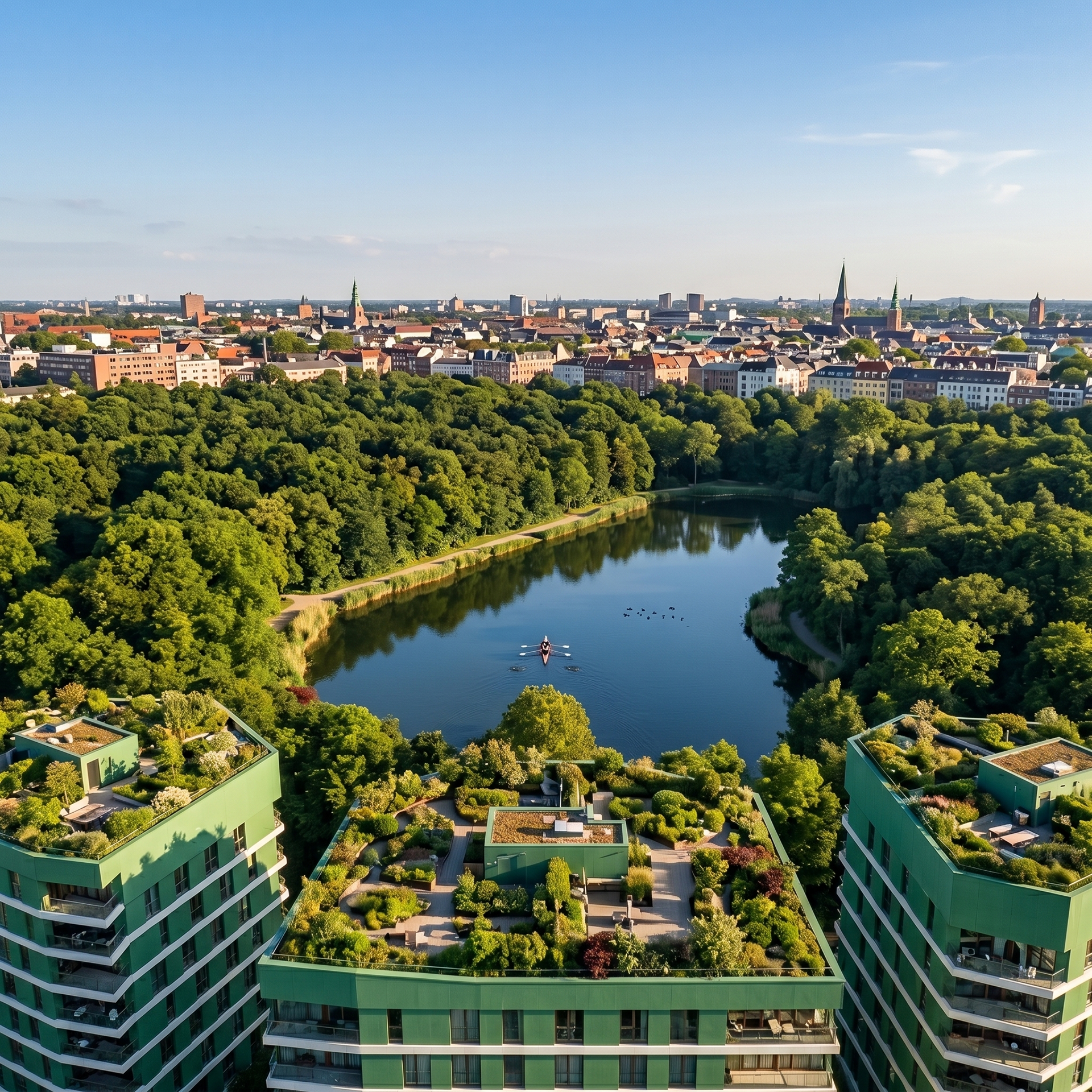
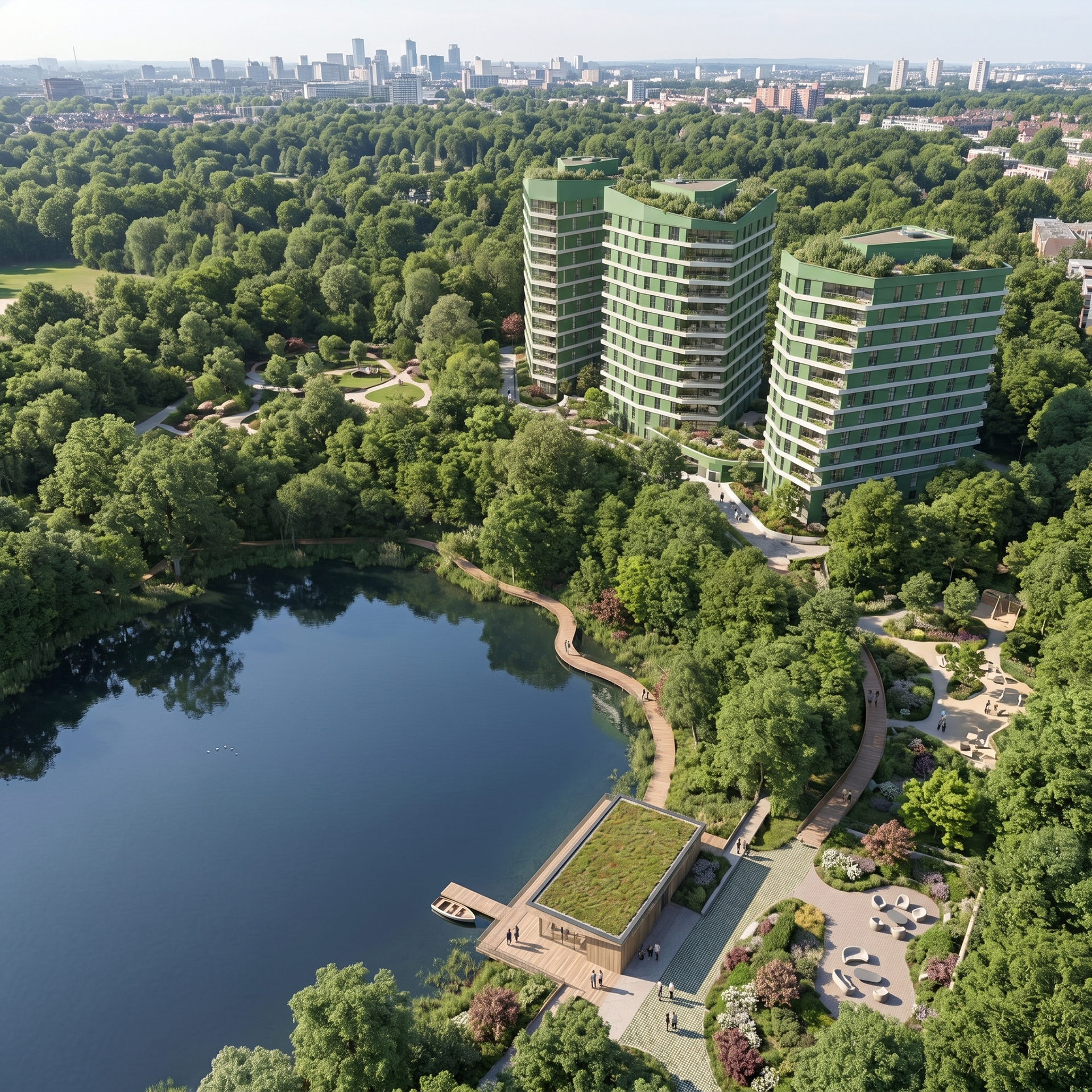
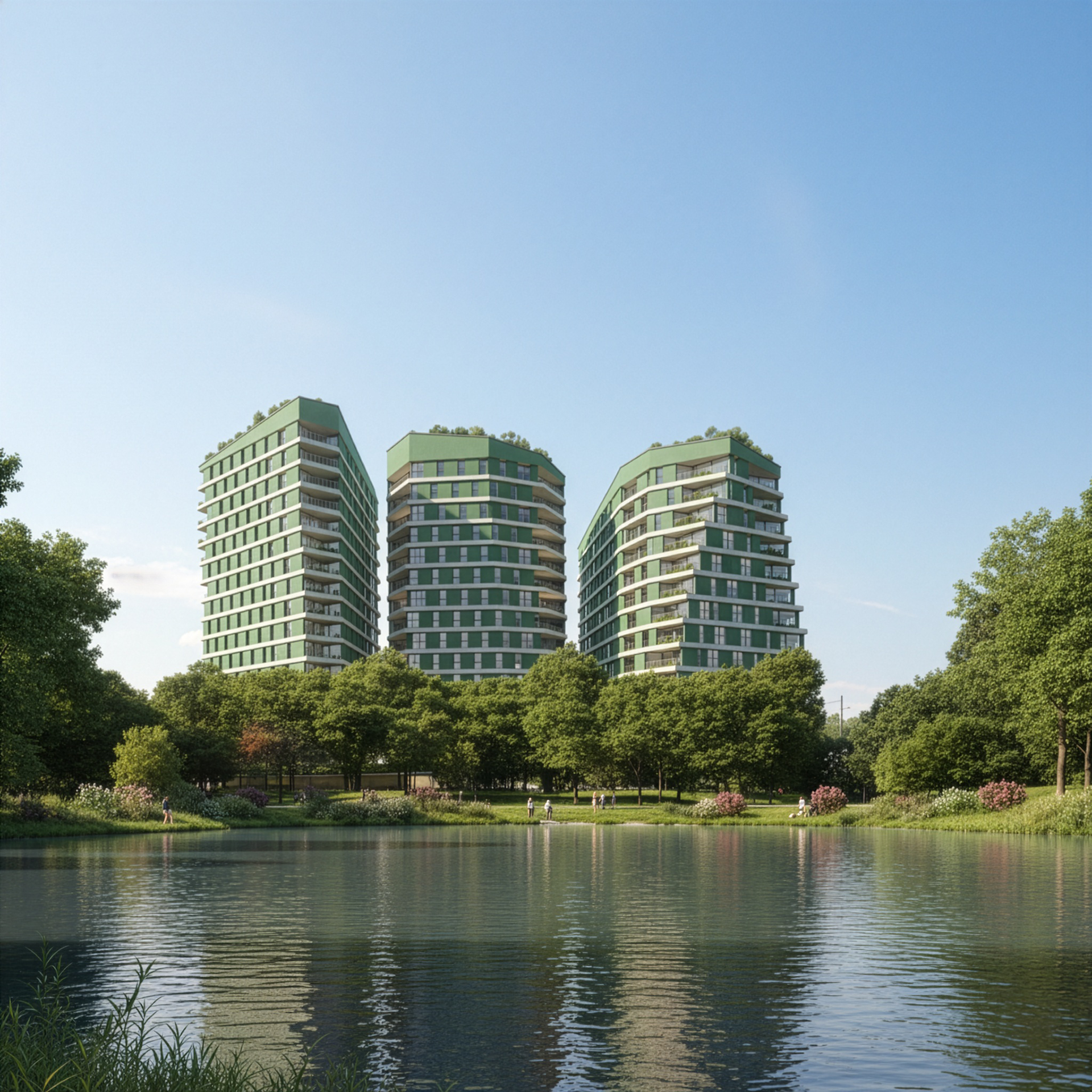
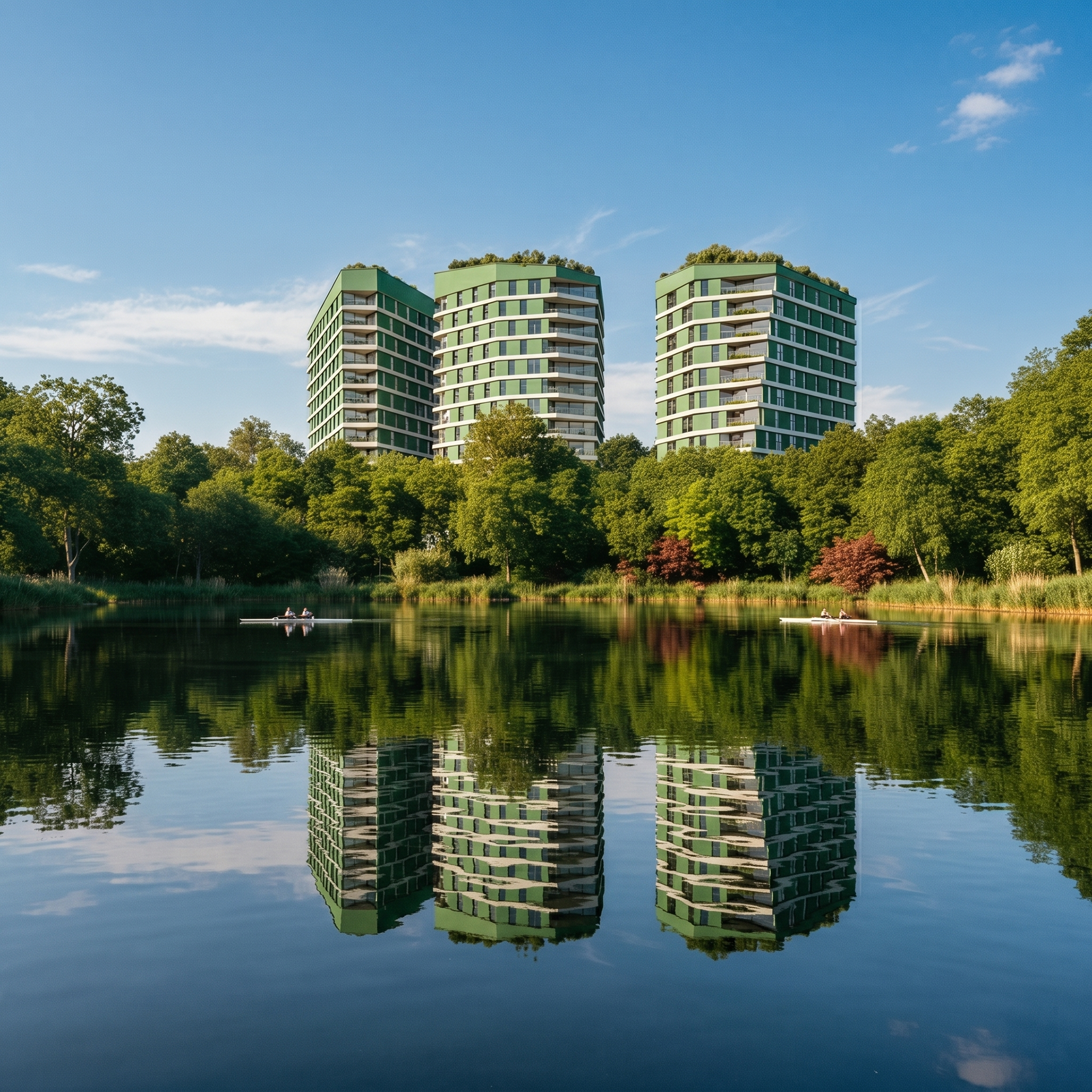
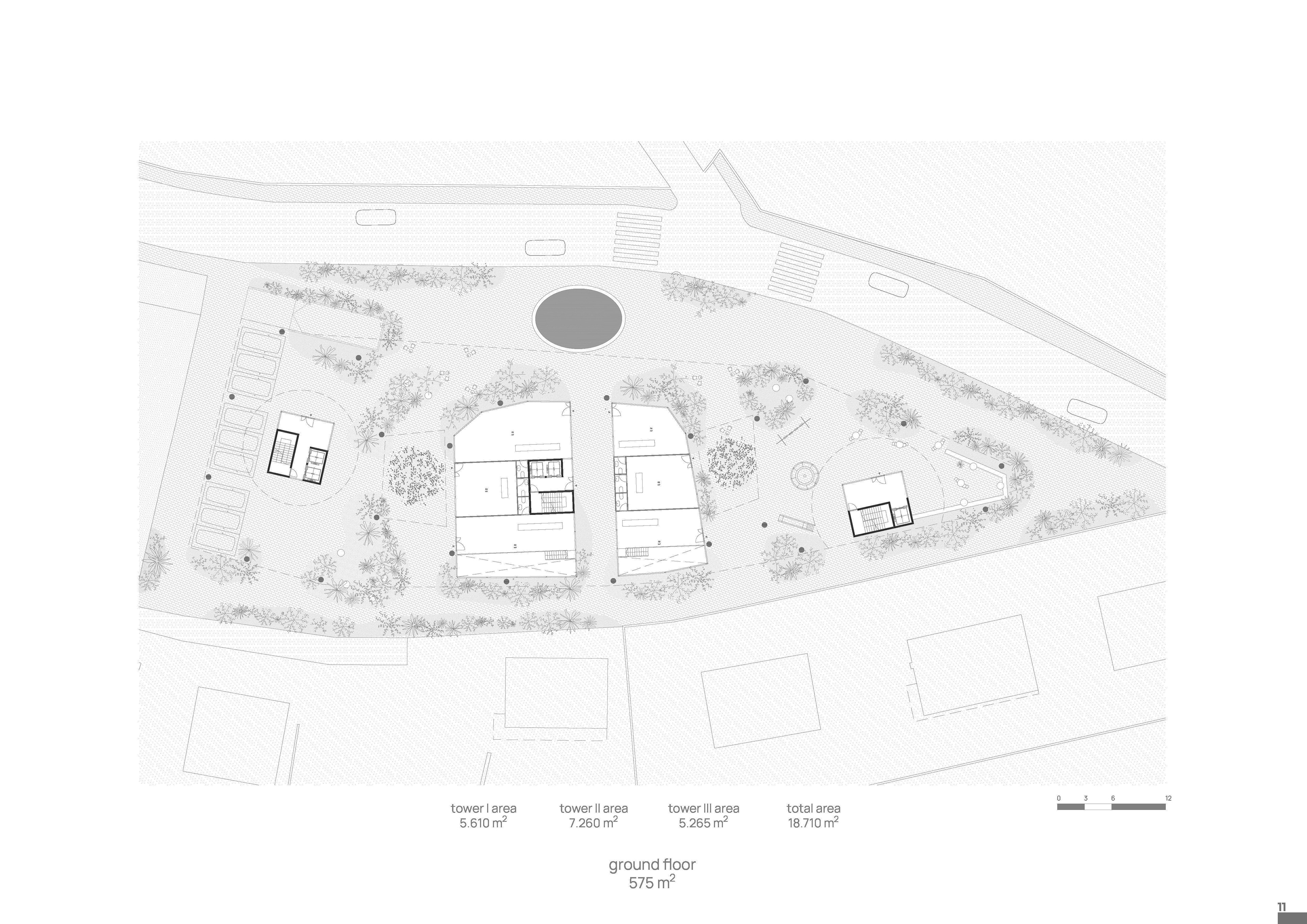
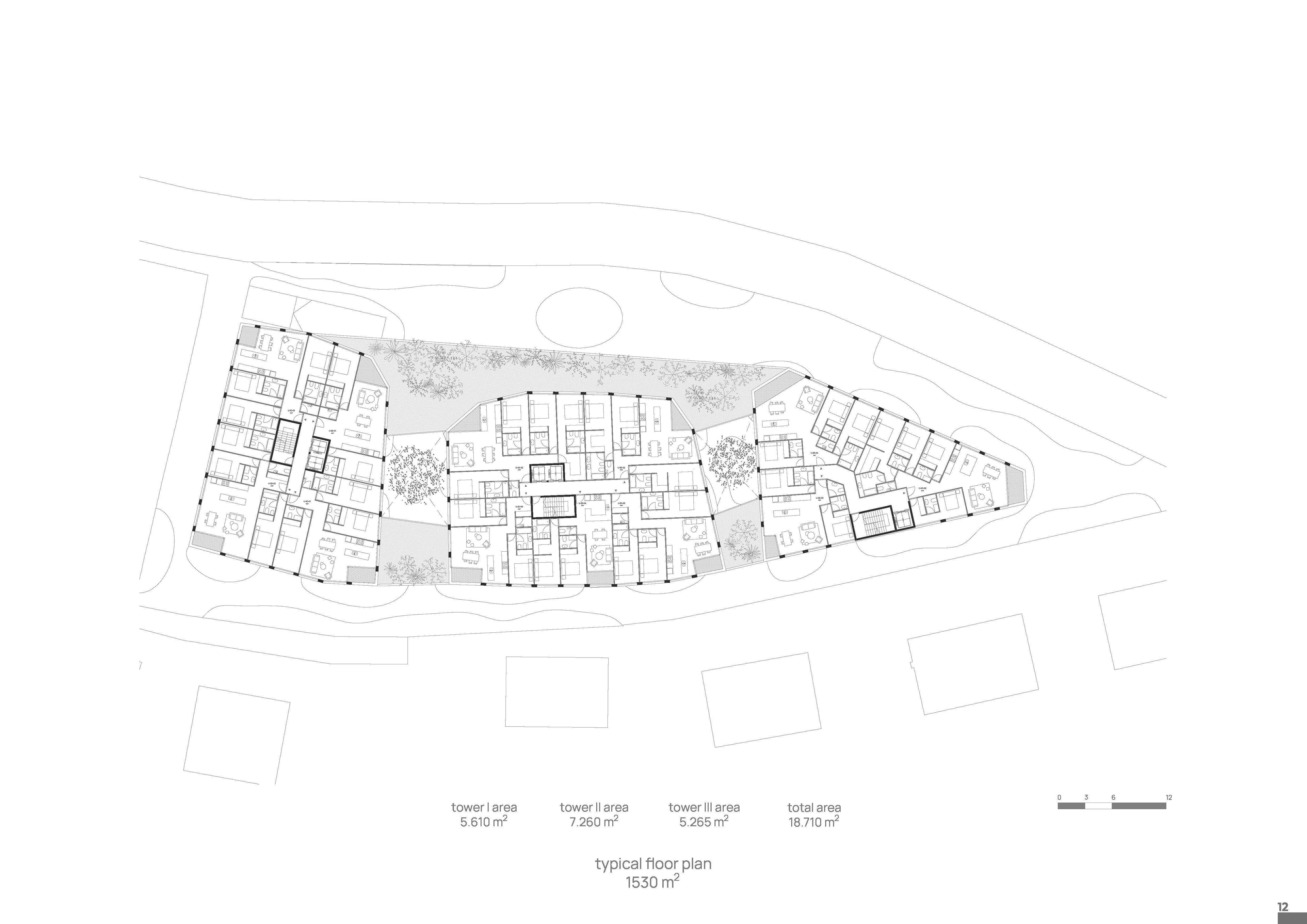
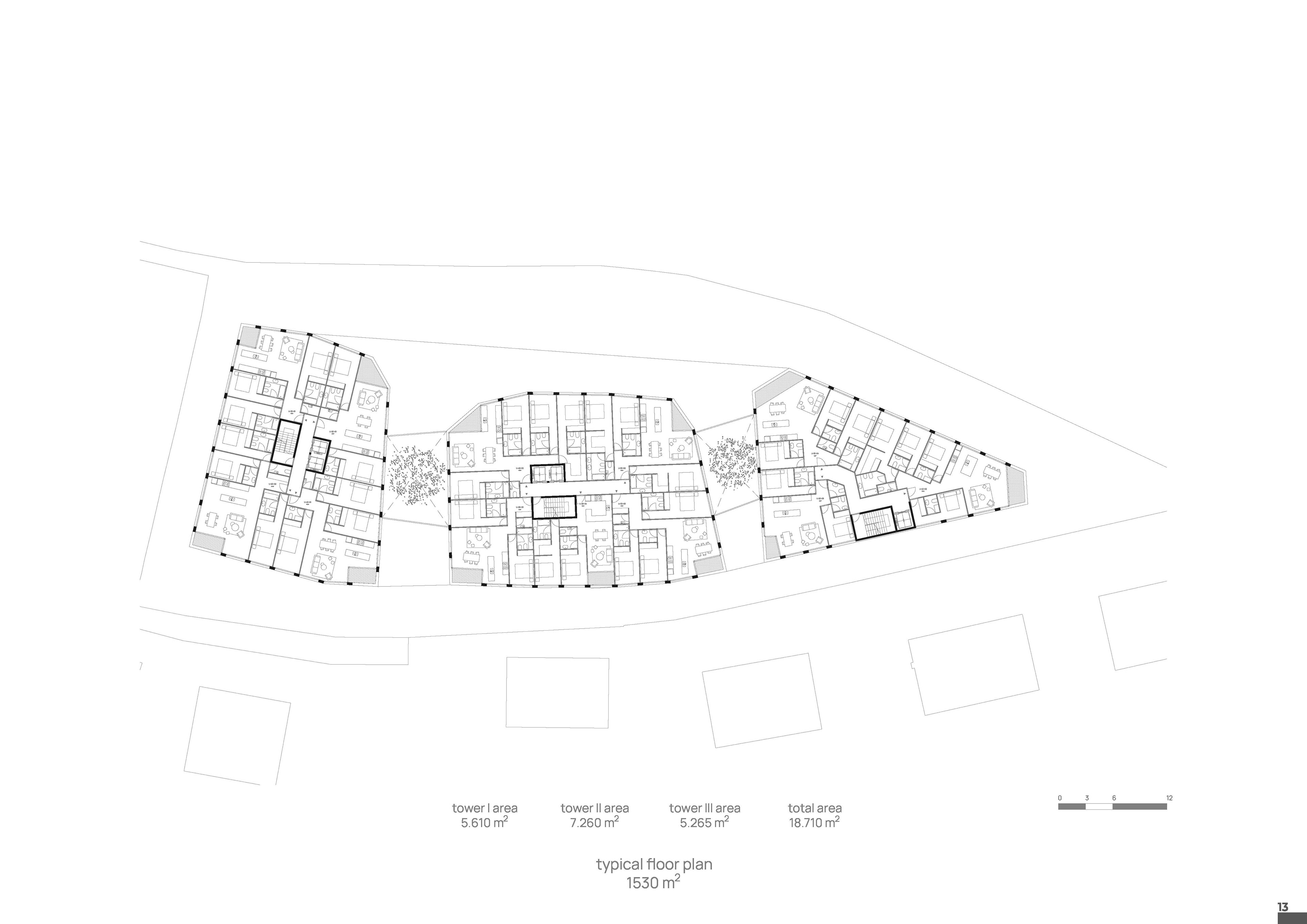
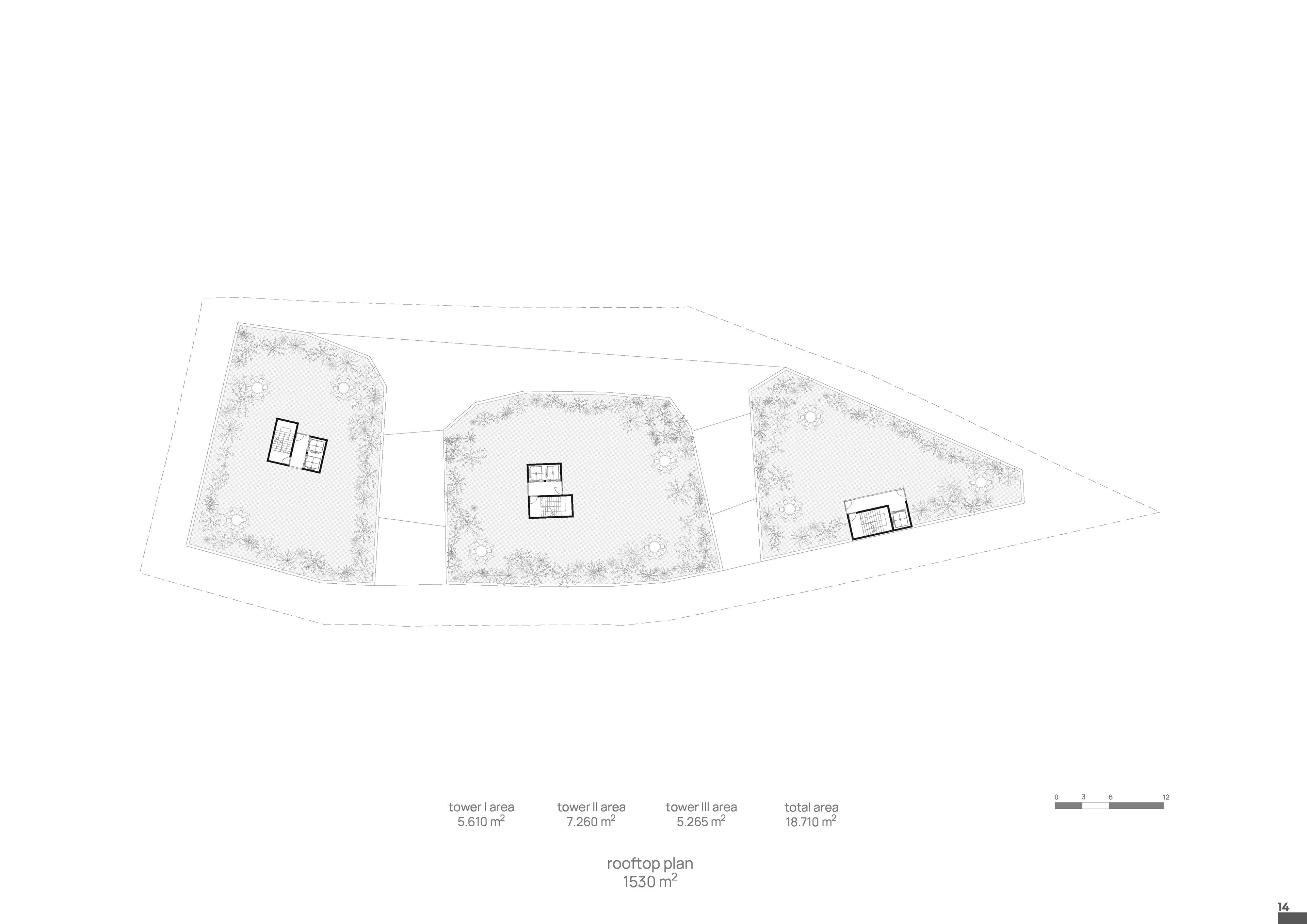
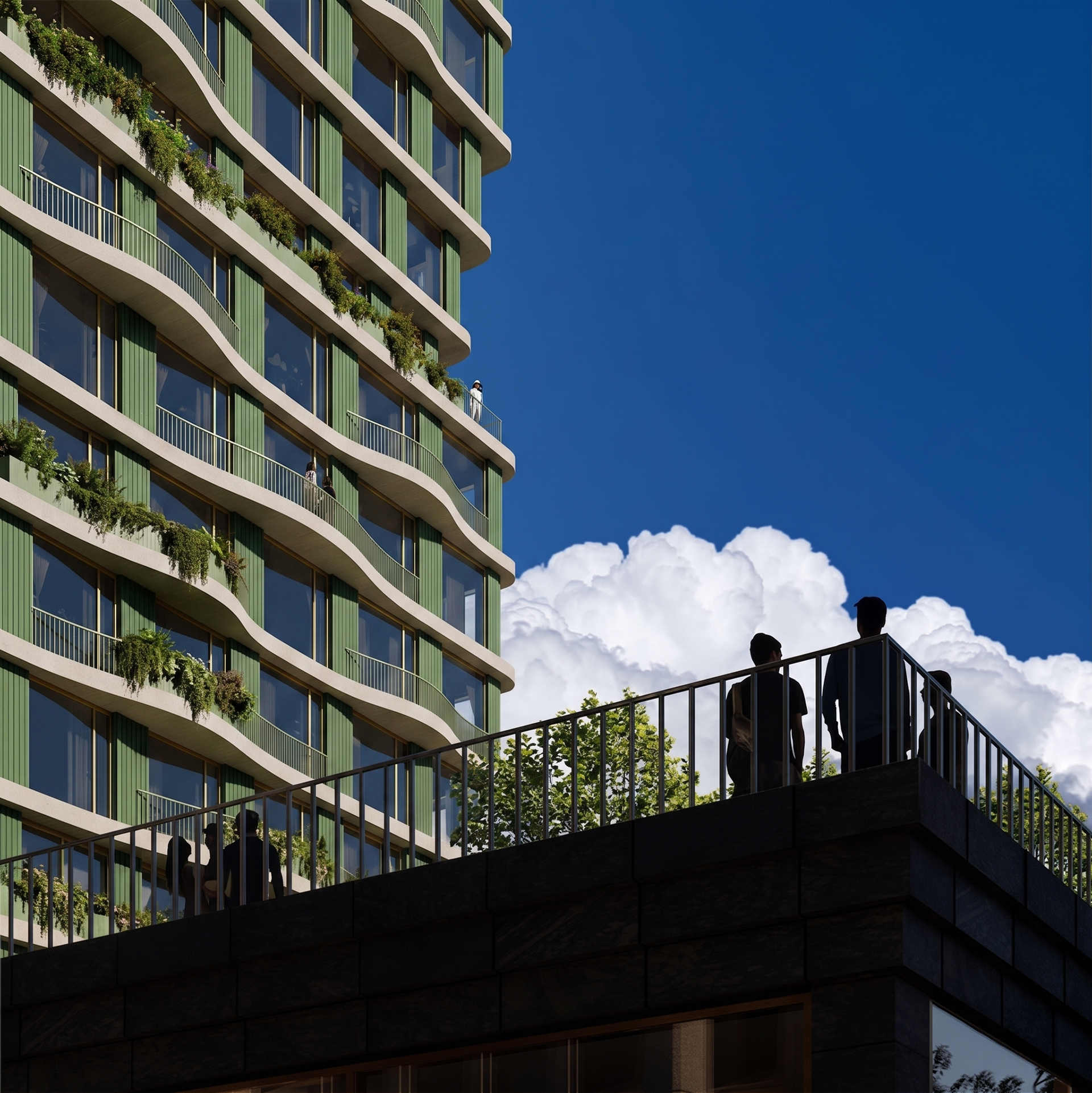
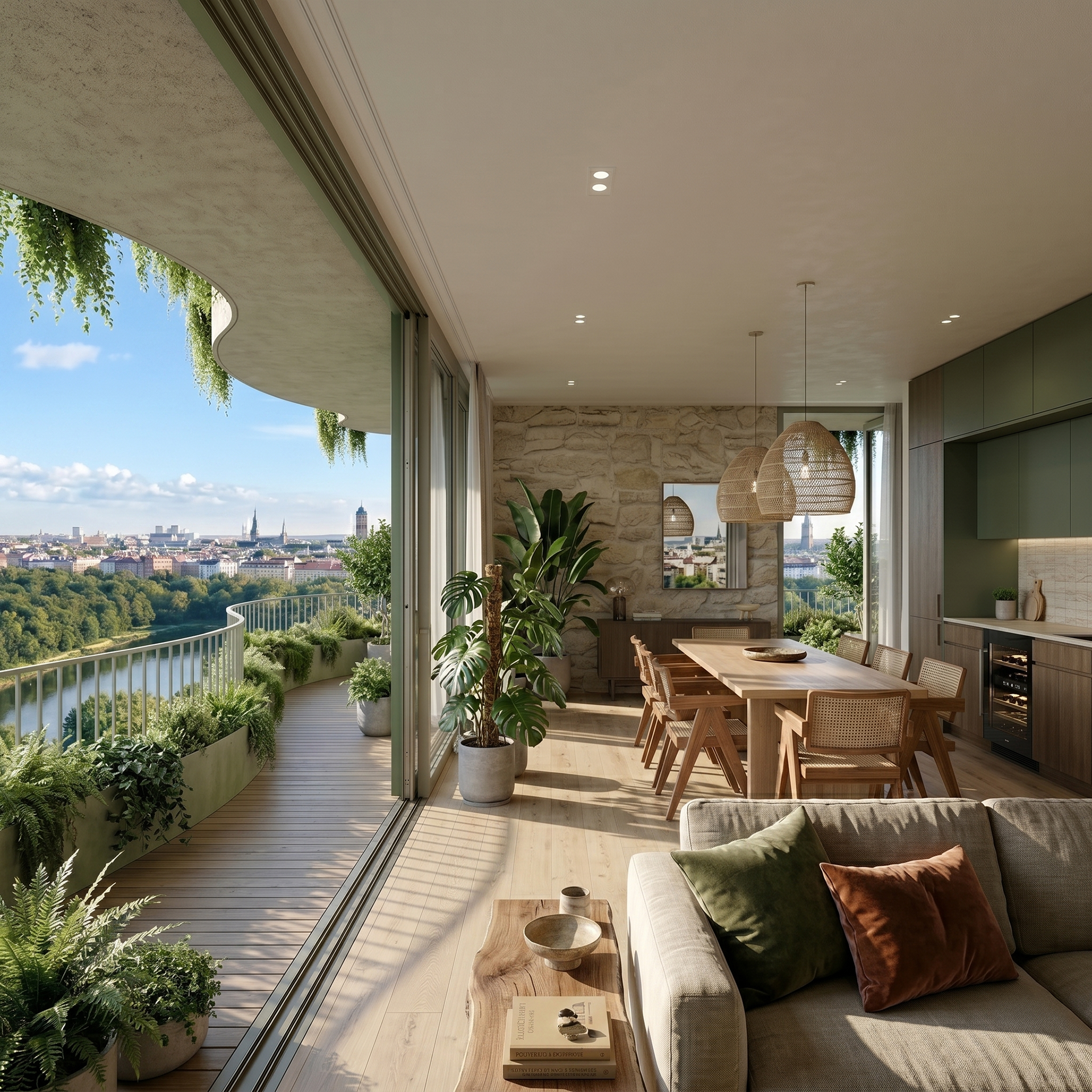
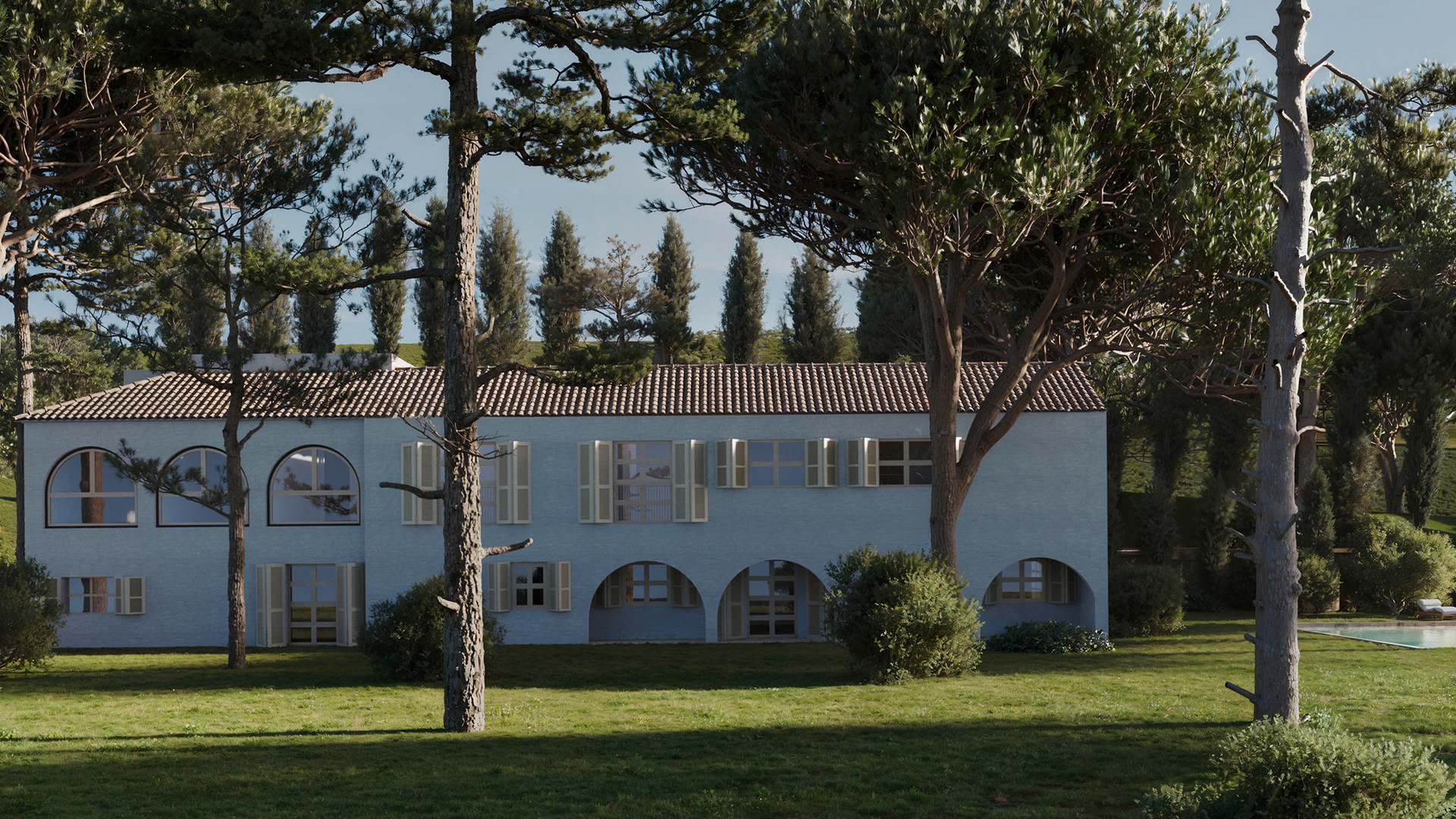
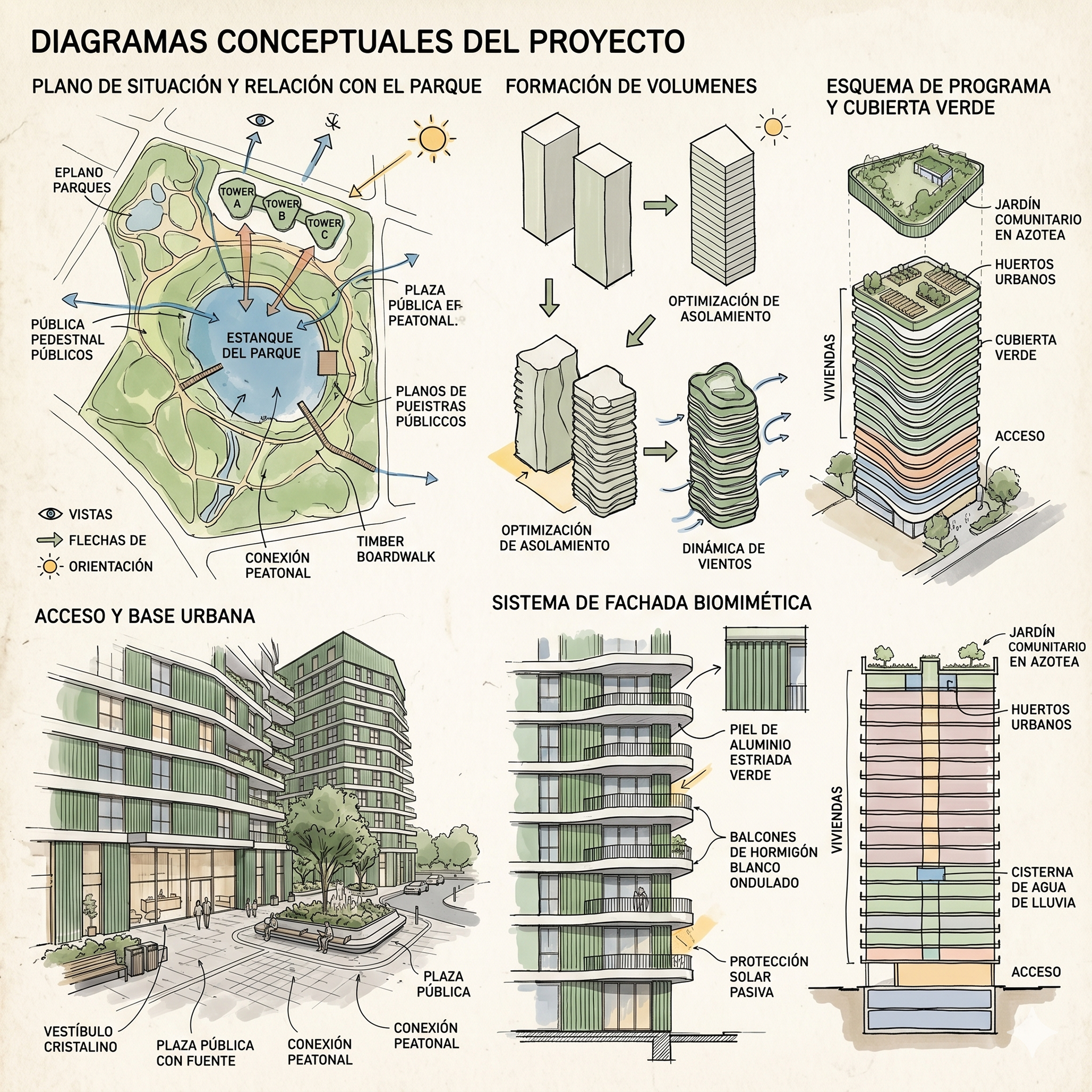
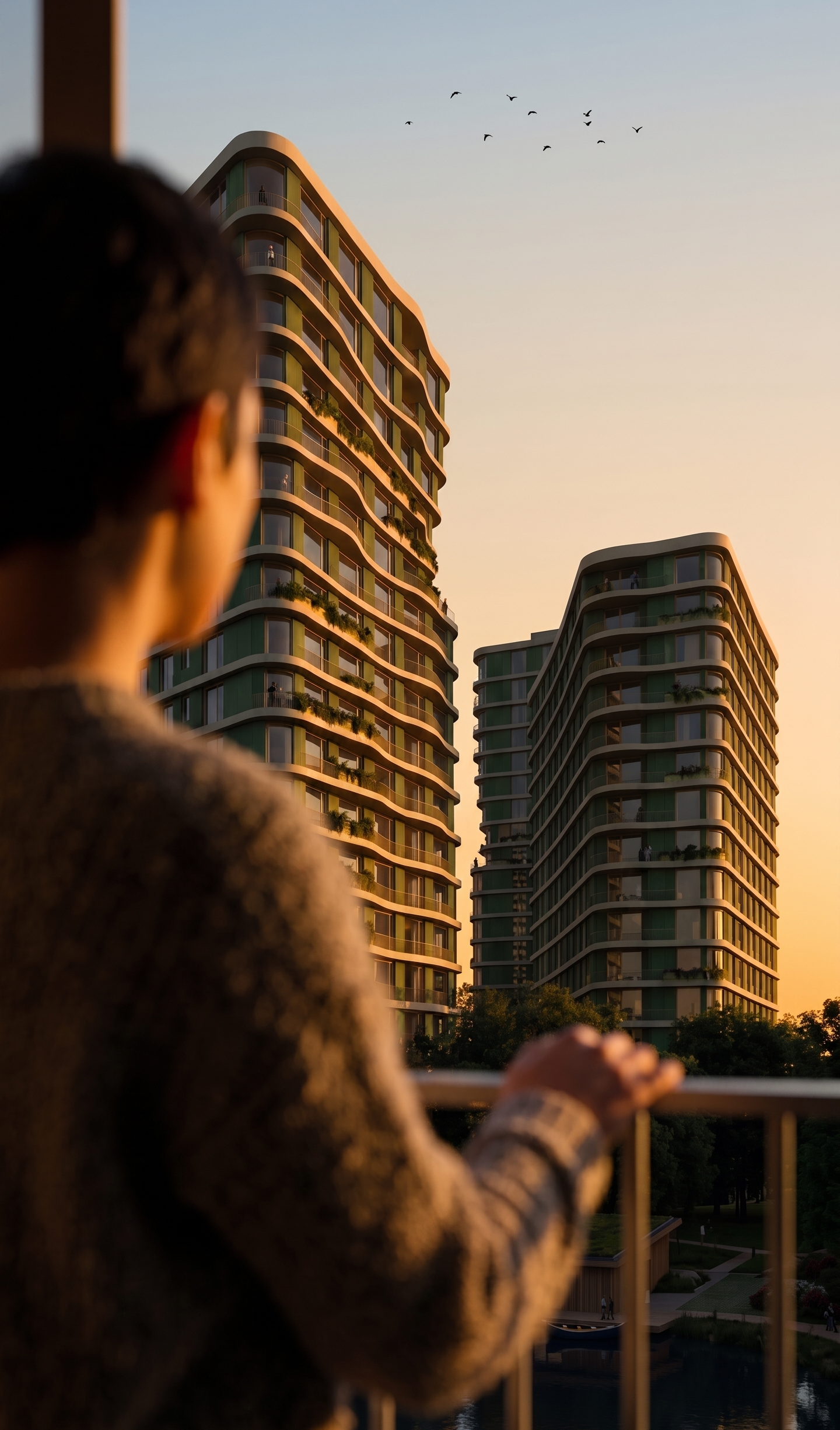
The facades are organized through a modulated system that provides rhythm and coherence to the ensemble. A palette of green and neutral tones reinforces the visual integration with the landscape, while the incorporation of vegetation in terraces and roofs introduces a dynamic layer that evolves over time. This combination of built form and planted surfaces generates a soft transition between architecture and nature, blurring the boundaries between them.
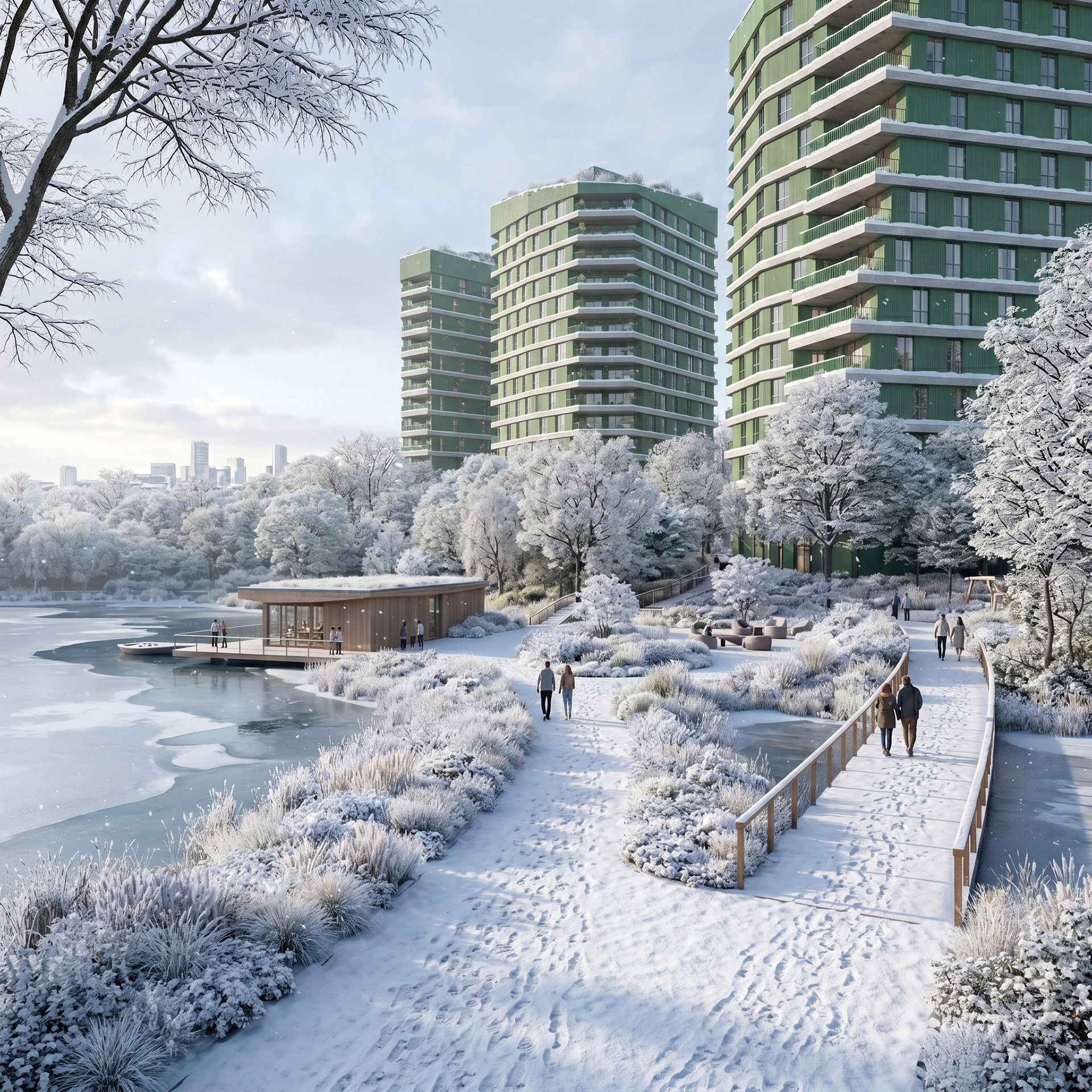
At ground level, the project is structured over a continuous green base that acts as a mediating platform between the built volumes and the site. This landscape strategy respects the existing topography and preserves natural elements, allowing the complex to settle gently into its environment. Common areas, pedestrian paths, and landscaped spaces are designed as an interconnected system that encourages outdoor activity, social interaction, and direct contact with nature.
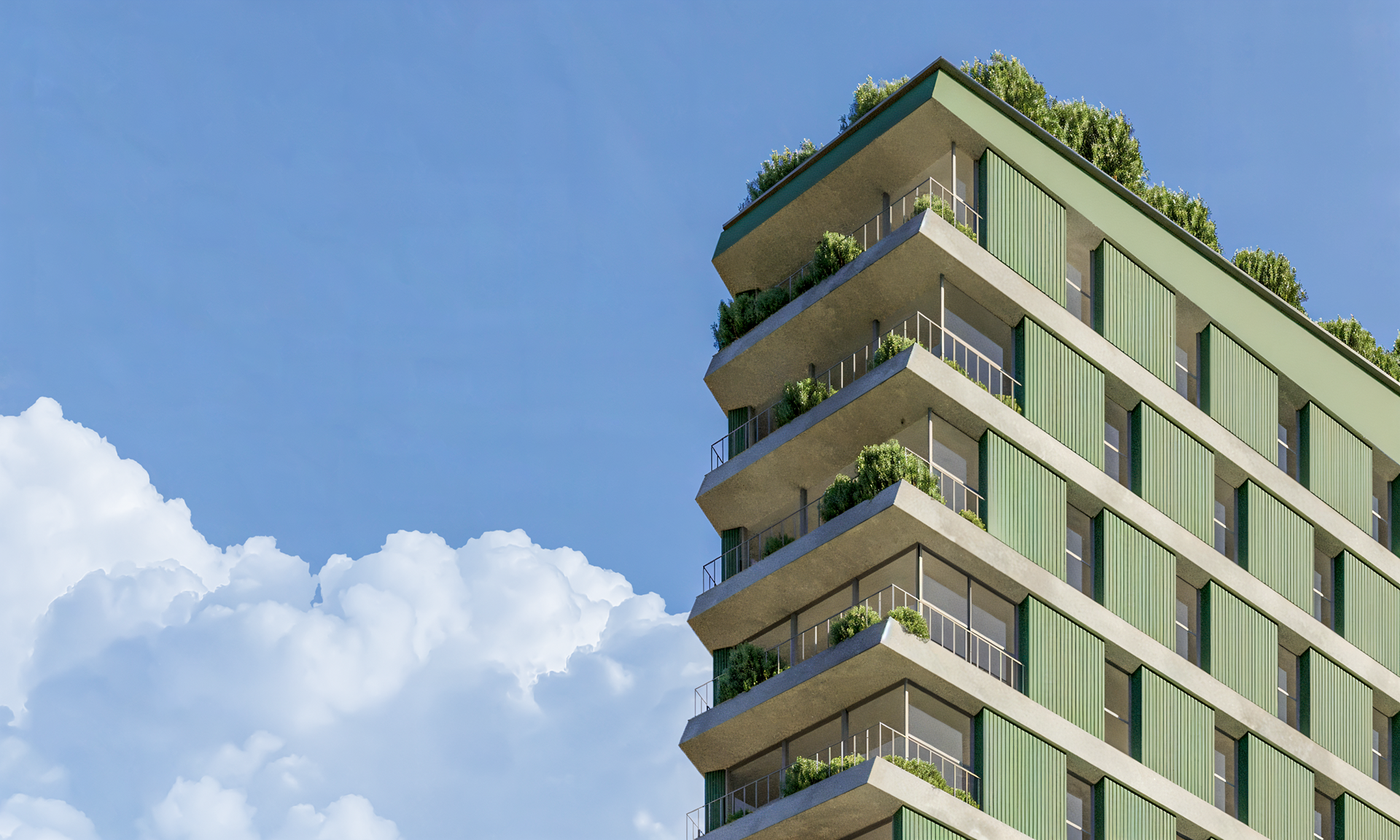
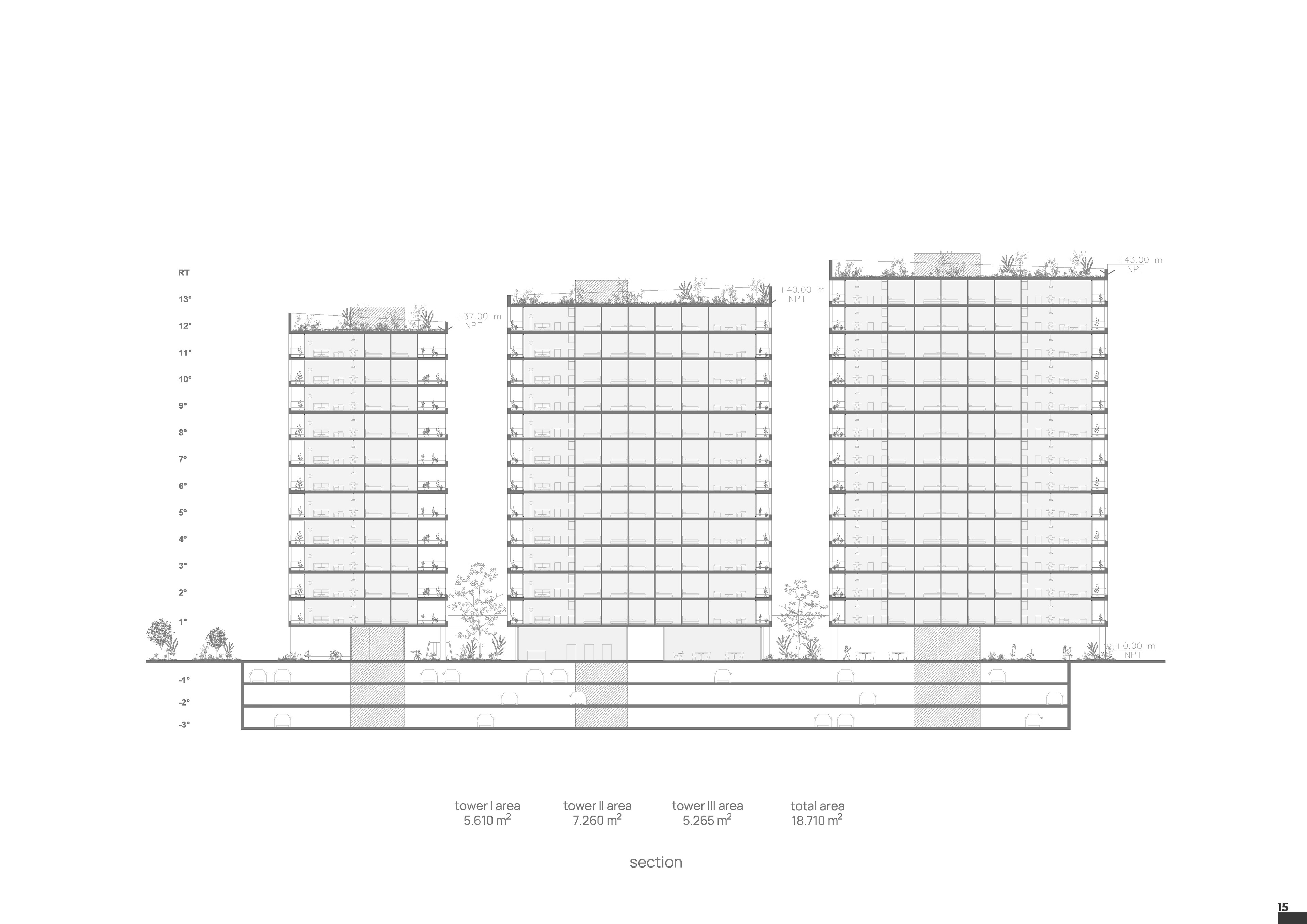
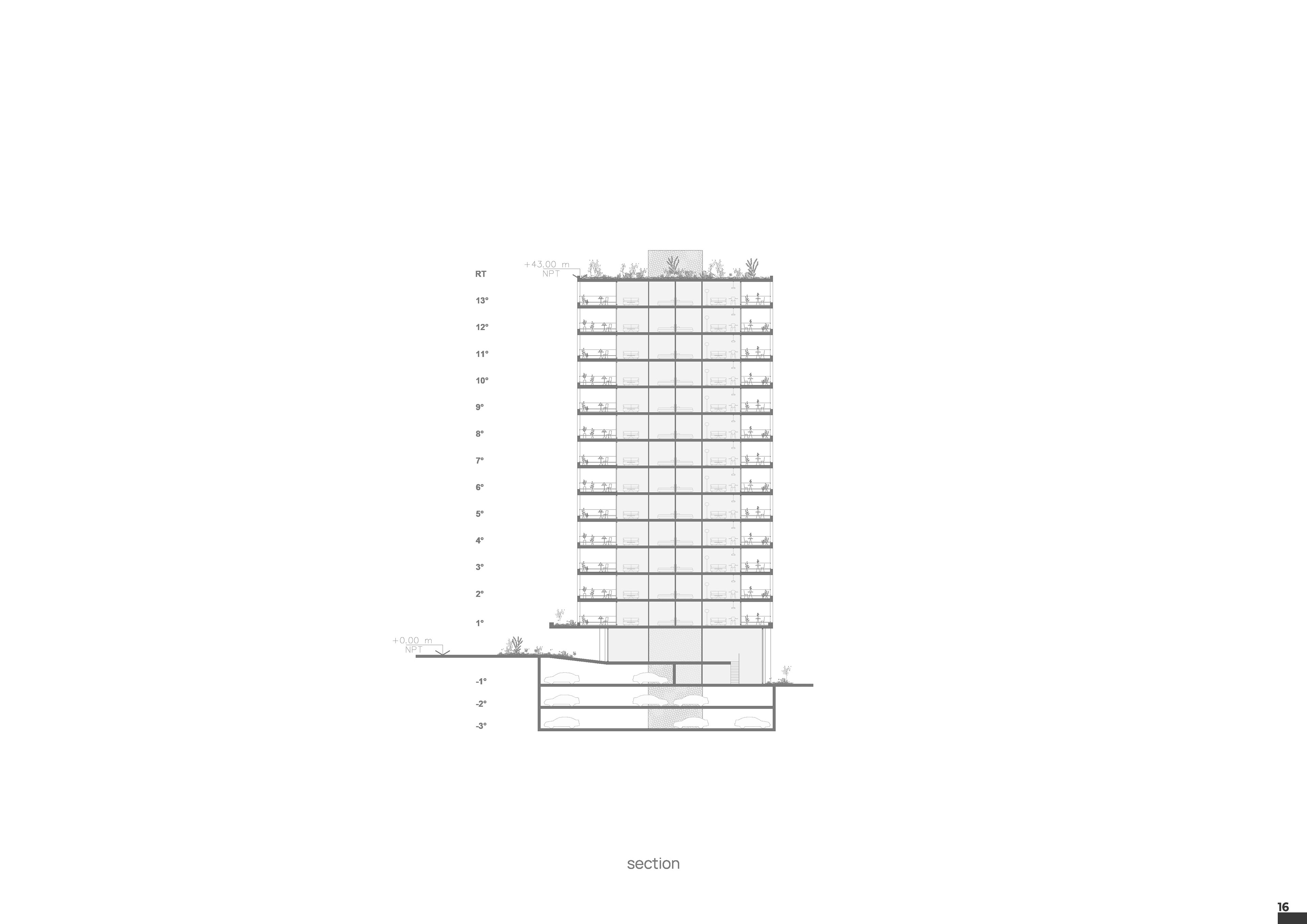
From an environmental perspective, the design incorporates a series of passive strategies aimed at improving comfort and reducing energy demand. The orientation of the towers ensures optimal solar exposure and consistent natural lighting, while large openings and ventilated facades promote cross ventilation and indoor air quality. Green roofs and the use of native vegetation contribute to the regulation of the microclimate, mitigating heat gain and enhancing biodiversity. In addition, rainwater collection and reuse systems are integrated to support sustainable irrigation practices.
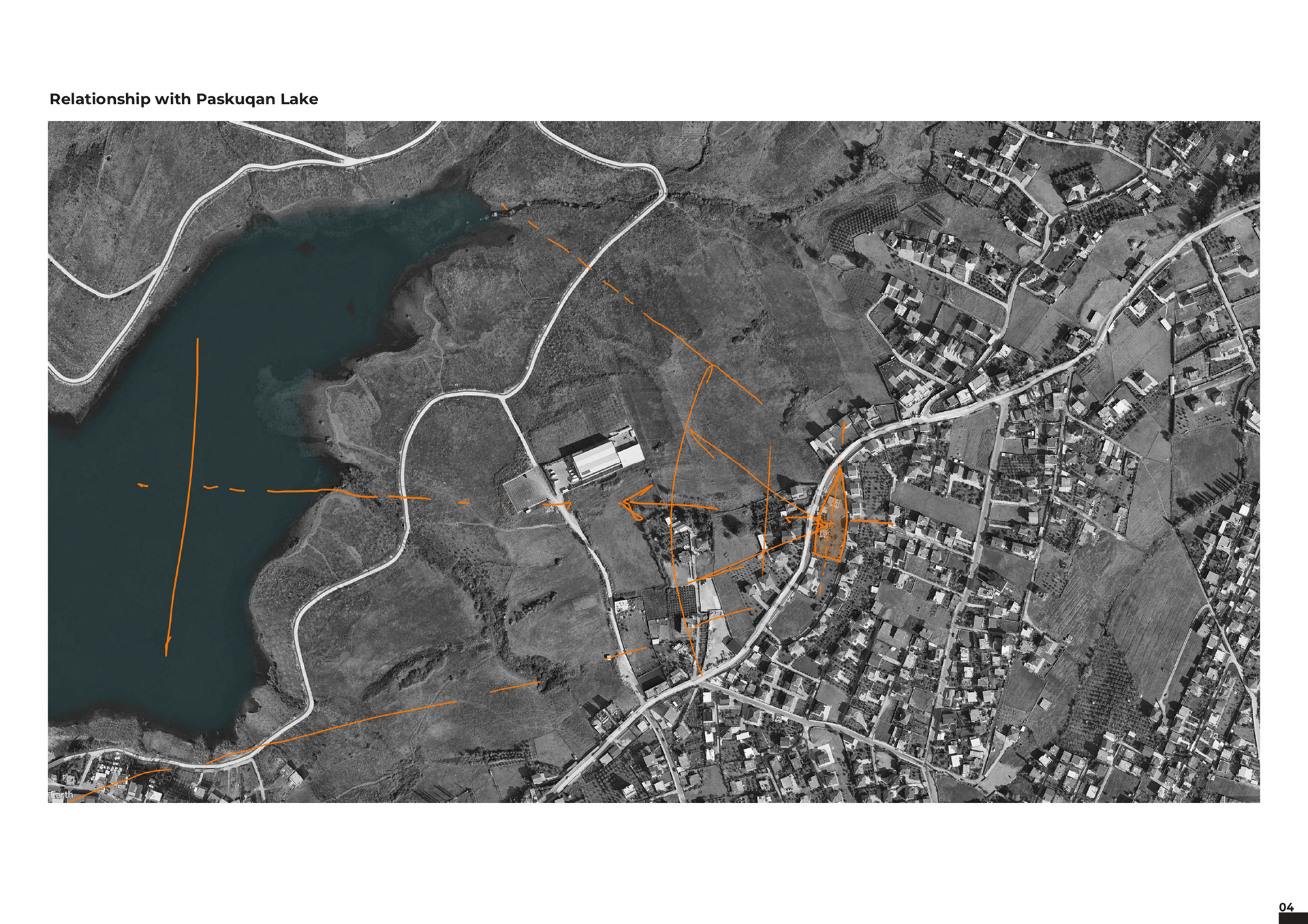
The spatial organization of the complex prioritizes visual and physical connections with the surrounding landscape. The towers are oriented toward a large park and a nearby body of water, ensuring open views and reinforcing the sense of openness and tranquility. This deliberate positioning enhances the residential experience by fostering a constant relationship with natural elements such as light, vegetation, and horizon.
Ultimately, the project seeks to reconcile density with environmental sensitivity, proposing a residential model that is both efficient and deeply connected to its context. Through a careful balance of form, landscape, and technical performance, the development establishes a contemporary living environment defined by sustainability, spatial quality, and a strong sense of place.